Where the block raised the city
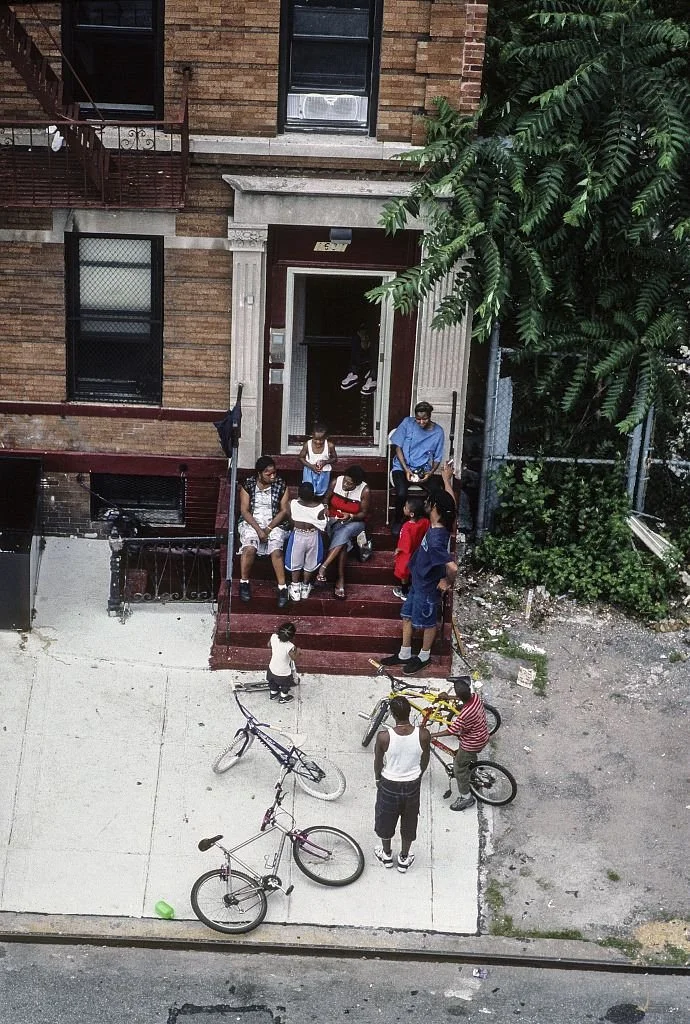
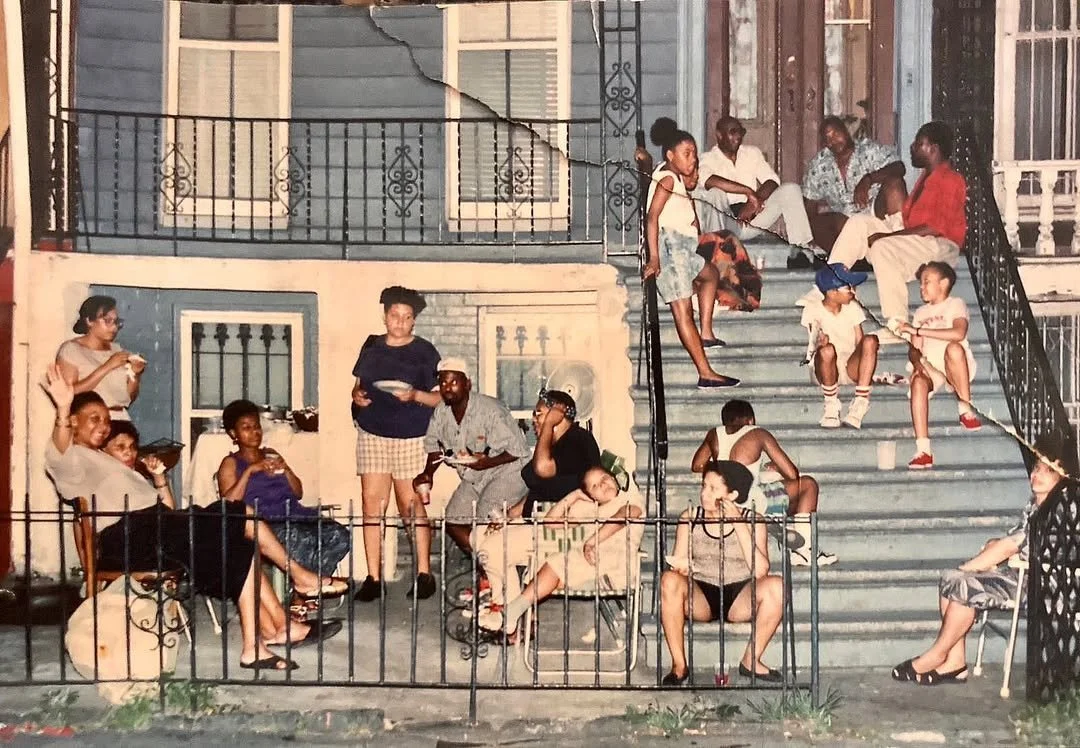
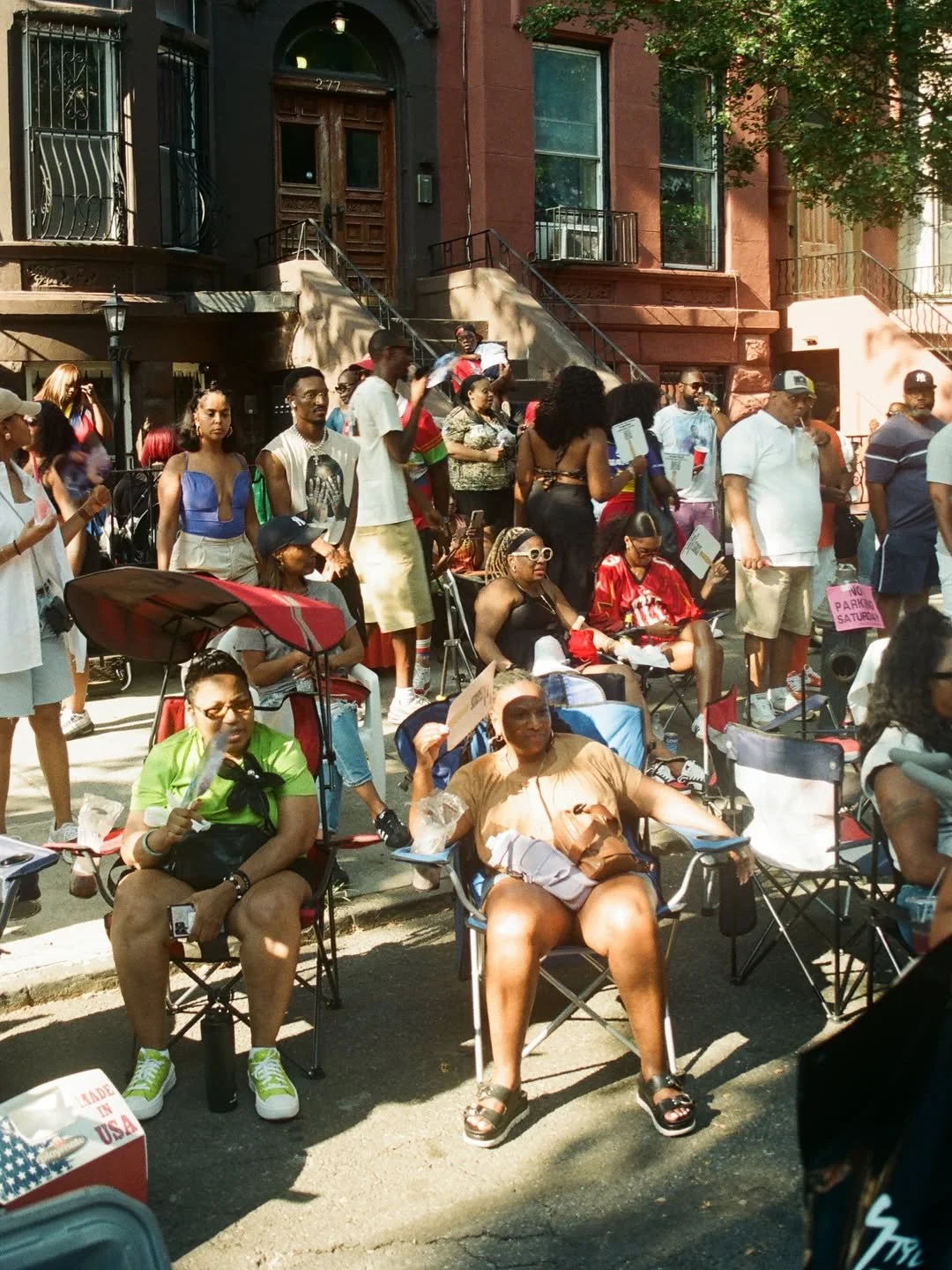
Before the luxury storefronts, before the viral trends, before New York became a backdrop for social media, there were the neighborhoods.
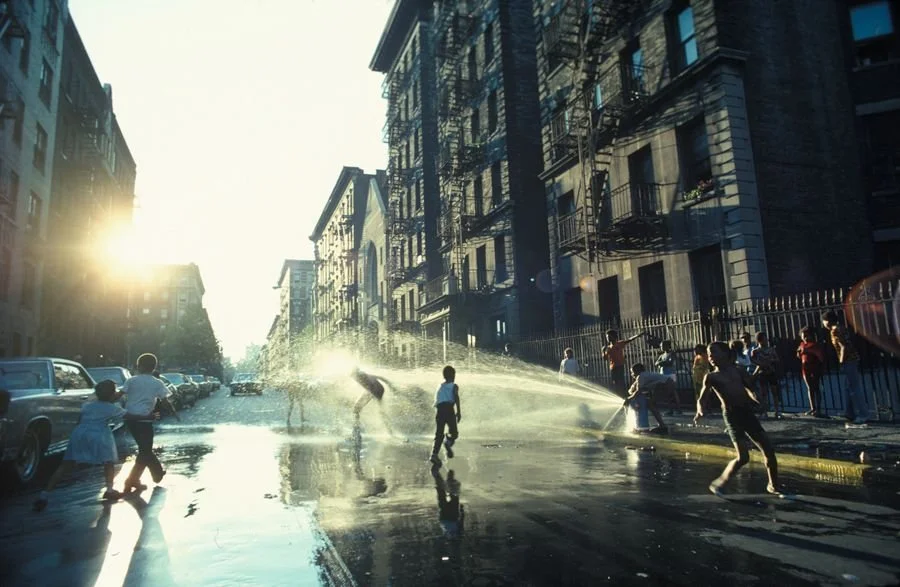
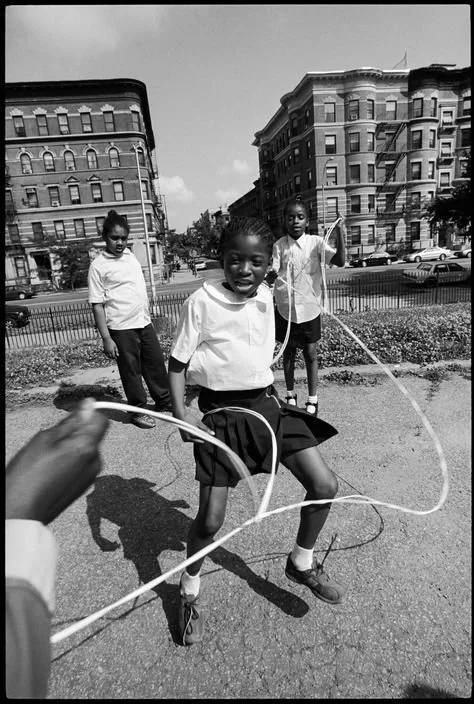
There were kids playing hopscotch and double dutch on cracked sidewalks, elders posted on stoops exchanging stories and giving game, and the sound of music drifting through open apartment windows on warm summer afternoons. There were cookouts that brought entire neighborhoods together, where somebody was always telling you to grab a plate before heading home. Basketball games felt bigger than championships, block parties turned entire streets into celebrations, and summer days were spent running through open fire hydrants while somebody’s auntie watched from a window, keeping an eye on the whole block. Across Harlem, the Bronx, Brooklyn, Queens, and beyond, Black New Yorkers transformed overlooked spaces into places of connection and belonging. They weren’t chasing trends or recognition; they were creating what they needed to survive, celebrate, and be seen.
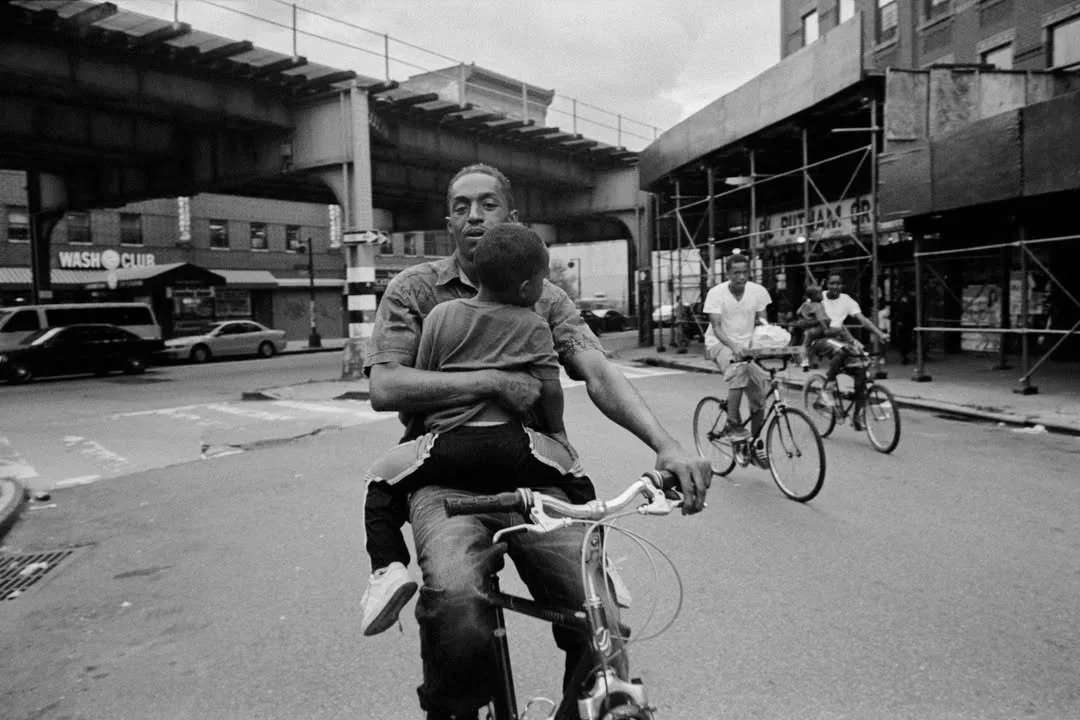
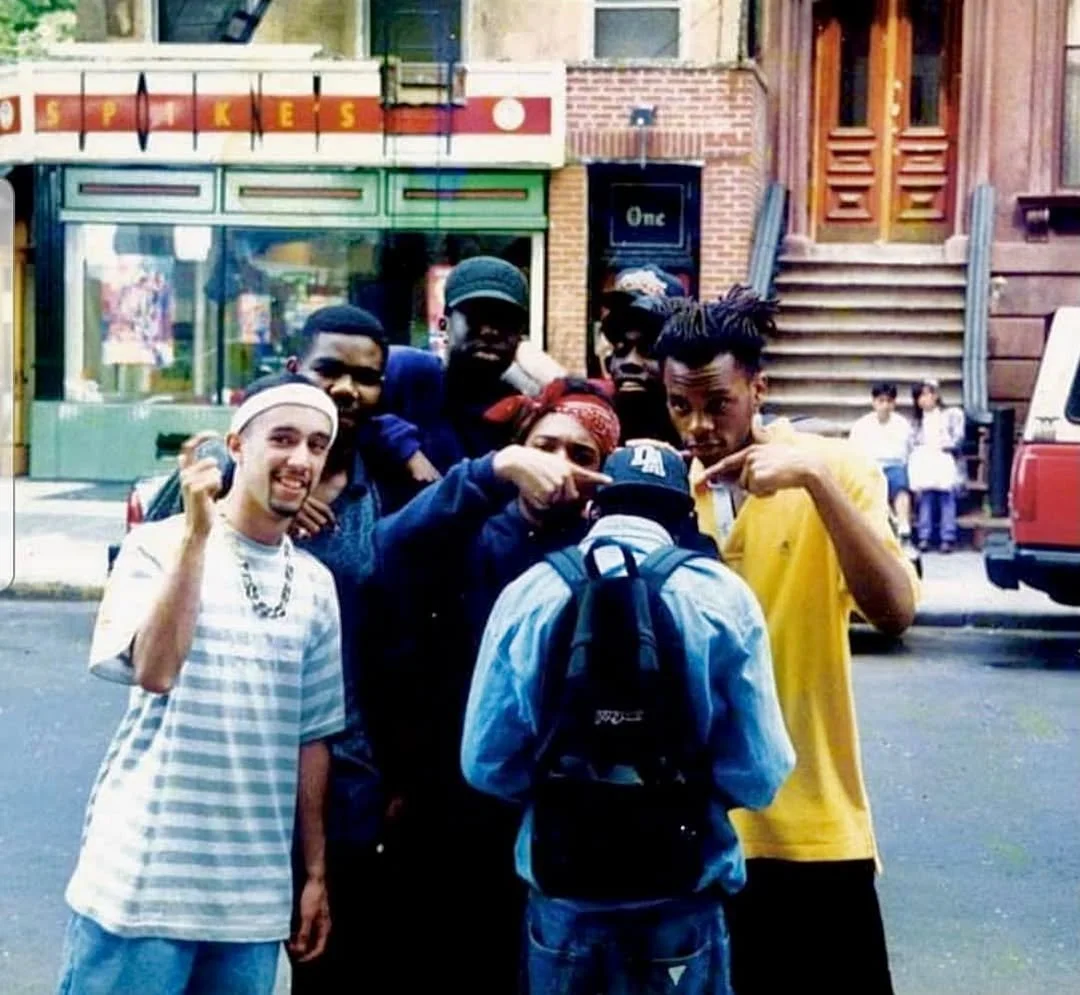
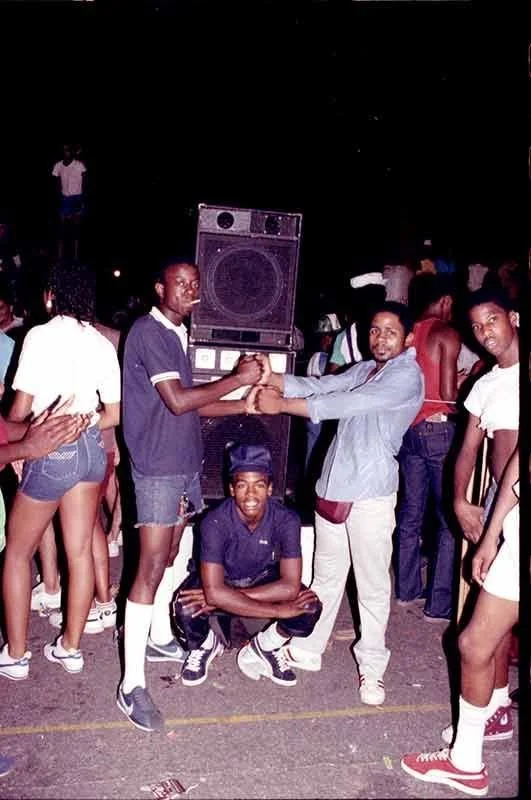
If New York has a heartbeat, it was shaped in these neighborhoods where Black communities turned everyday life into culture. It lives in the echo of basketballs bouncing across Harlem asphalt, the rhythm of double dutch ropes, the music from Bronx block parties that sparked a global movement. It lives in ballroom houses that became sanctuaries for identity and family. It lives in Harlem fashion where style became self-definition. It lives in churches, barber shops, beauty salons, playgrounds, and neighborhood gatherings where culture was passed down in real time.
The story of Black New York is not just endurance—it is transformation. It is people taking what was overlooked and reshaping it into something powerful. Across generations, Black New Yorkers turned struggle into expression and community into lasting culture. Few places show this better than Harlem. During the Harlem Renaissance, Black writers, musicians, and artists challenged how they were seen and created work rooted in pride and complexity. Harlem became a place where Black excellence was the expectation. The energy of the Apollo Theater spilled into the surrounding streets, businesses, and homes. It wasn’t just producing artists—it was producing visionaries.
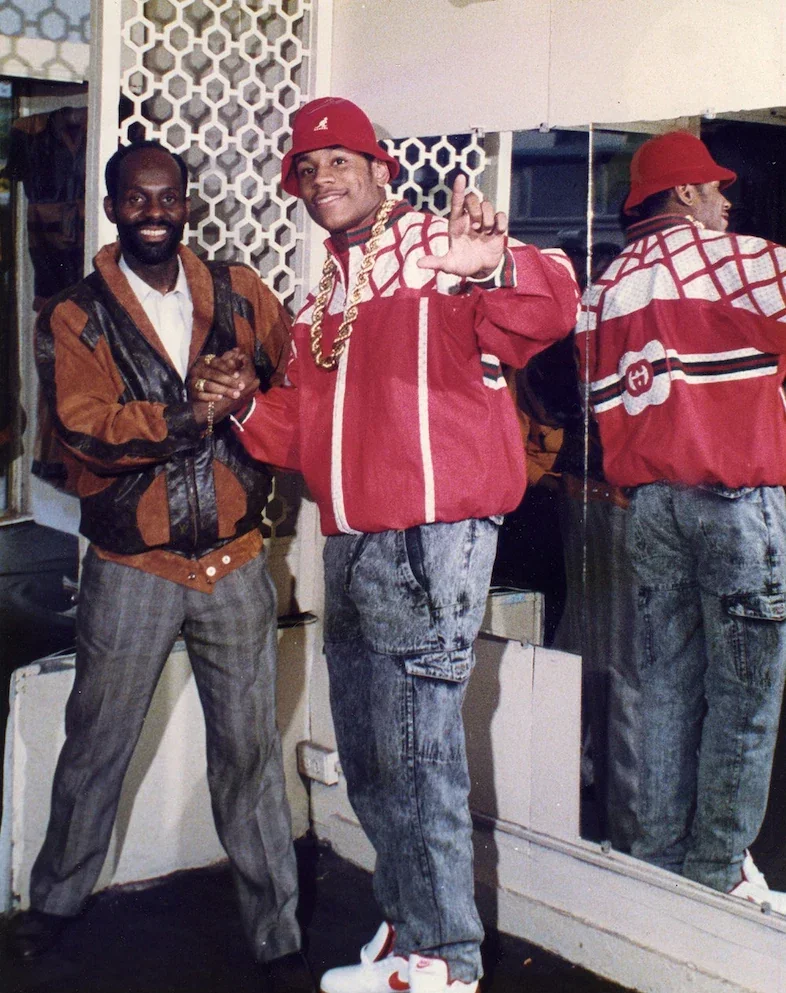
That same spirit showed up in fashion through Dapper Dan. In the 1980s, luxury brands weren’t looking at Harlem, but Harlem was already redefining luxury. Dapper Dan created custom designs blending high fashion with street identity. His shop became a destination for athletes, entertainers, and locals who wanted clothing that reflected both success and roots. At first dismissed, his influence later reshaped the industry. Black creativity was always ahead of recognition.
New York’s ballroom scene tells another story of imagination under pressure. Created by Black and Latino LGBTQ+ communities, ballroom emerged because mainstream spaces excluded them. So they built their own. Houses became chosen families offering protection, mentorship, and belonging. As documented in Paris Is Burning, ballroom was about identity, survival, and visibility. Long before mainstream culture adopted terms like “shade,” “reading,” and “category is,” ballroom was already building a language and culture that shaped fashion and performance worldwide.
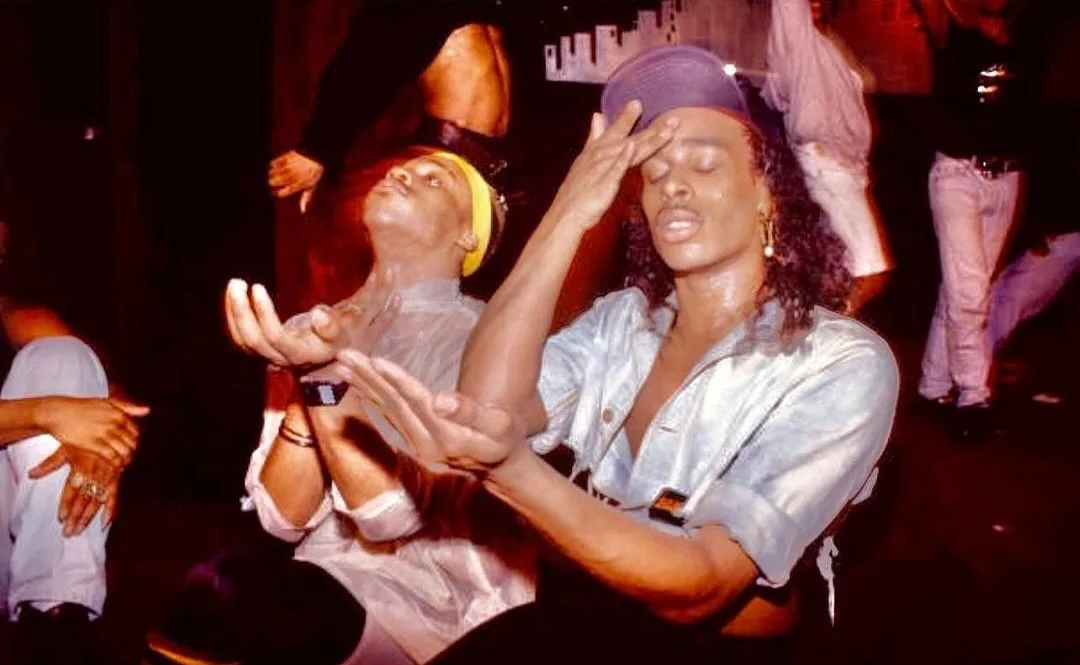
Photo courtesy of @housefunatik
Figures like Willi Ninja helped take ballroom global. Known as the “Godfather of Voguing,” he turned movement and style into language that reached high fashion. Alongside icons like Pepper LaBeija and the many houses of ballroom, they created spaces where people could fully express themselves. What began as survival became one of New York’s most lasting cultural exports—carried by houses, mothers, fathers, and the dolls who shaped the scene.
Basketball carries that same energy. In Black neighborhoods, the court is more than a game—it’s a classroom, a stage, and a community space. Nowhere shows this better than Rucker Park in Harlem, where players carried both personal ambition and neighborhood pride. The crowds came not just for basketball, but for greatness
That same energy reached the Knicks. Madison Square Garden became an extension of neighborhood courts. For Black New Yorkers, basketball connected to music, fashion, and identity. From Rucker to the Knicks to playground courts, it all told the same story.
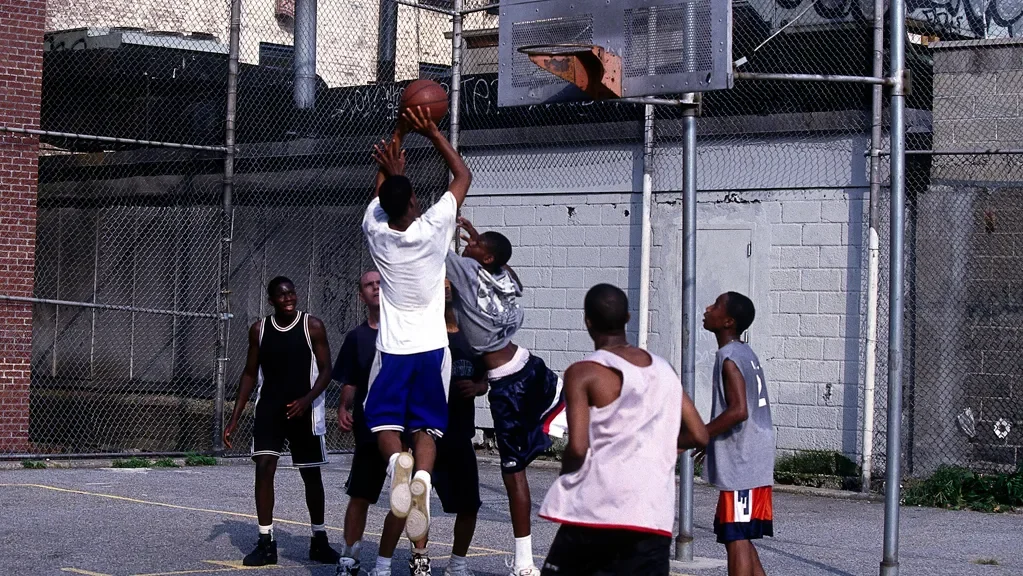
Photo Courtesy of Chuck Solomon
Hip-hop grew from those same streets. Born from Bronx block parties, it turned everyday spaces into cultural landmarks. Before social media, culture moved through flyers, word of mouth, CDs, and mixtapes. The party was never just the event—it was the entire network around it.
But before the records and recognition, there were street corners, park jams, and rap battles where artists built their names in real time. The underground scene was where MCs sharpened their pen, tested their skills in front of the neighborhood, and earned respect before anything reached a wider audience—names like Big L and other NYC battle rap figures were part of that broader culture, alongside others who made their name in New York’s battle circuits. Culture spread face-to-face, through presence and participation.
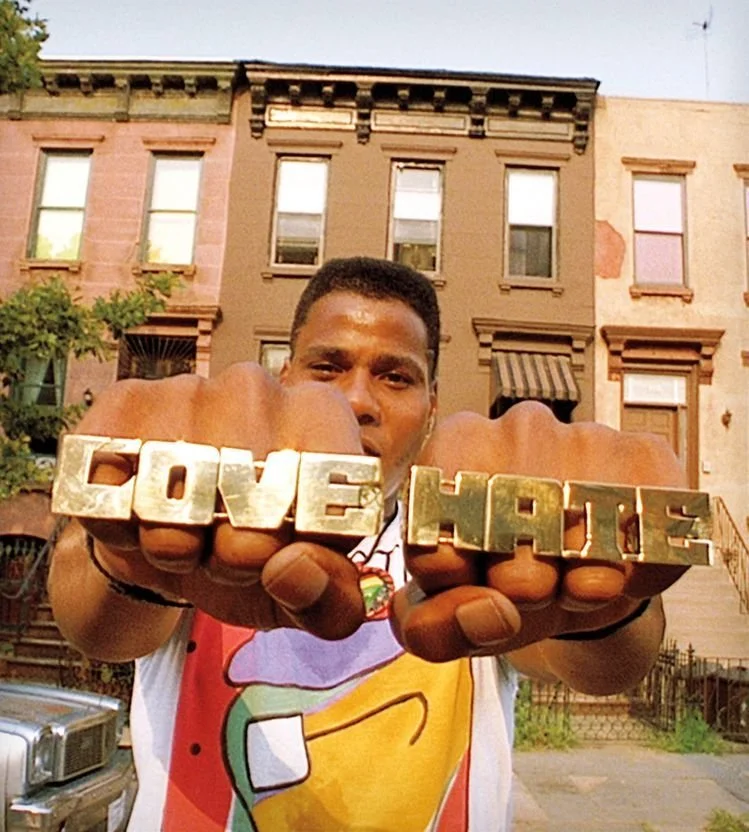
Film helped preserve these stories. Spike Lee captured the complexity of Black life in New York—joy, tension, humor, and identity. Crooklyn showed Brooklyn family life. Do the Right Thing explored community and conflict. Malcolm X highlighted Harlem’s global influence. Alongside that, films like Beat Street, Above the Rim, and He Got Game showed how music, sports, and survival are intertwined in Black life. These stories worked because they reflected lived experience.
Some of the most important parts of Black New York culture never made it to screens. They live in cookouts, block parties, stoop conversations, and everyday moments that don’t get documented but don’t get forgotten.
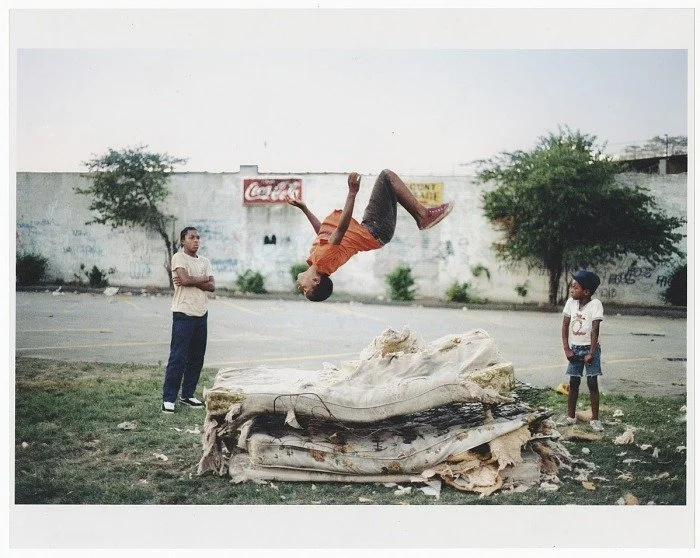
They live in kids running through hydrants, double dutch games on sidewalks, and hopscotch chalked into concrete. They live in plates passed through doorways, neighbors checking on elders, and front steps that hold entire communities together. These moments may seem ordinary, but they are where everything begins.
“Because before it was studied or streamed, it was just life—music through windows, crowded sidewalks, and communities showing up for each other without needing recognition.”
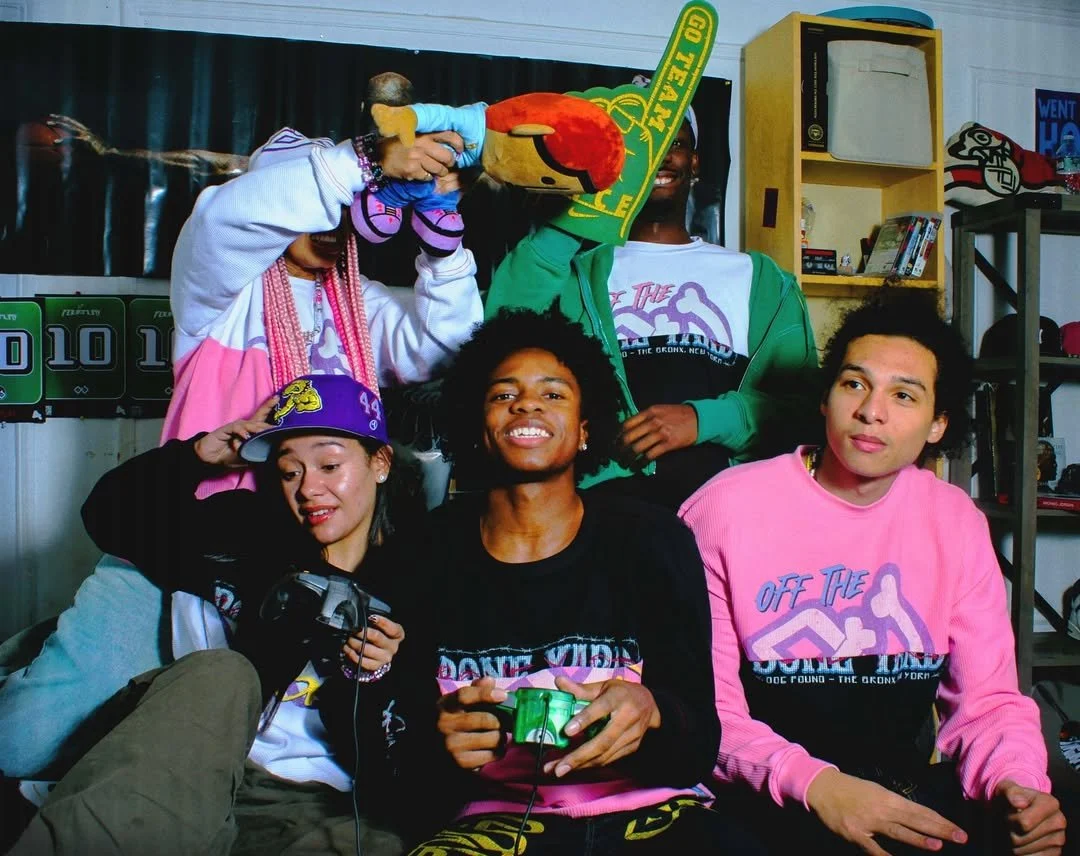
Photo courtesy of @orie.4
That legacy is still being written right now by a new generation moving through the same city with their own lanes. In Queens, Leaky Roof is part of the local streetball culture where reputation is built on the court and in the neighborhood, not online. While Malik Dean moves between law, creative work through his agency 91+9, and community spaces that connect culture, business, and sports in ways that reflect how wide neighborhood influence can stretch. In the Bronx, Orie continues to build as a creative director, designer, and dancer, shaping visual and cultural work while staying rooted in the borough’s creative energy. While Leiomy Maldonado has helped bring ballroom culture further into the mainstream through her performances, visibility, and mentorship, while still staying grounded in its origins. In Harlem, Fergie Baby represents a newer wave of rap energy carrying forward the borough’s presence in the current sound of New York, even as the style continues to evolve.
Across each of these lanes—sports, law, fashion, music, and performance—the thread stays the same. It’s still neighborhood first. Still New York first. Still people building something from where they stand.
From Queens to the Bronx, from ballroom to basketball courts, from fashion to cookouts, Black New Yorkers have always shaped the city. Long after trends fade, what remains is the culture built and carried forward by the people who lived it.