Kape Mart Is One Of The Sickest Shops in The Zine/Streetwear Scene
When you look at the streetwear scene right now there has been a new wave of shops that embody a DIY ethos pushing aesthetics, community, and taste forward. The living spirit of creatives now feels in detriment to the commodification of streetwear but in the midst of all the bullshit and watered-down cookie-cutter brands/shops there is a small movement going on that feels raw, authentic, and expressionist — combating the mainstream vibe by default.
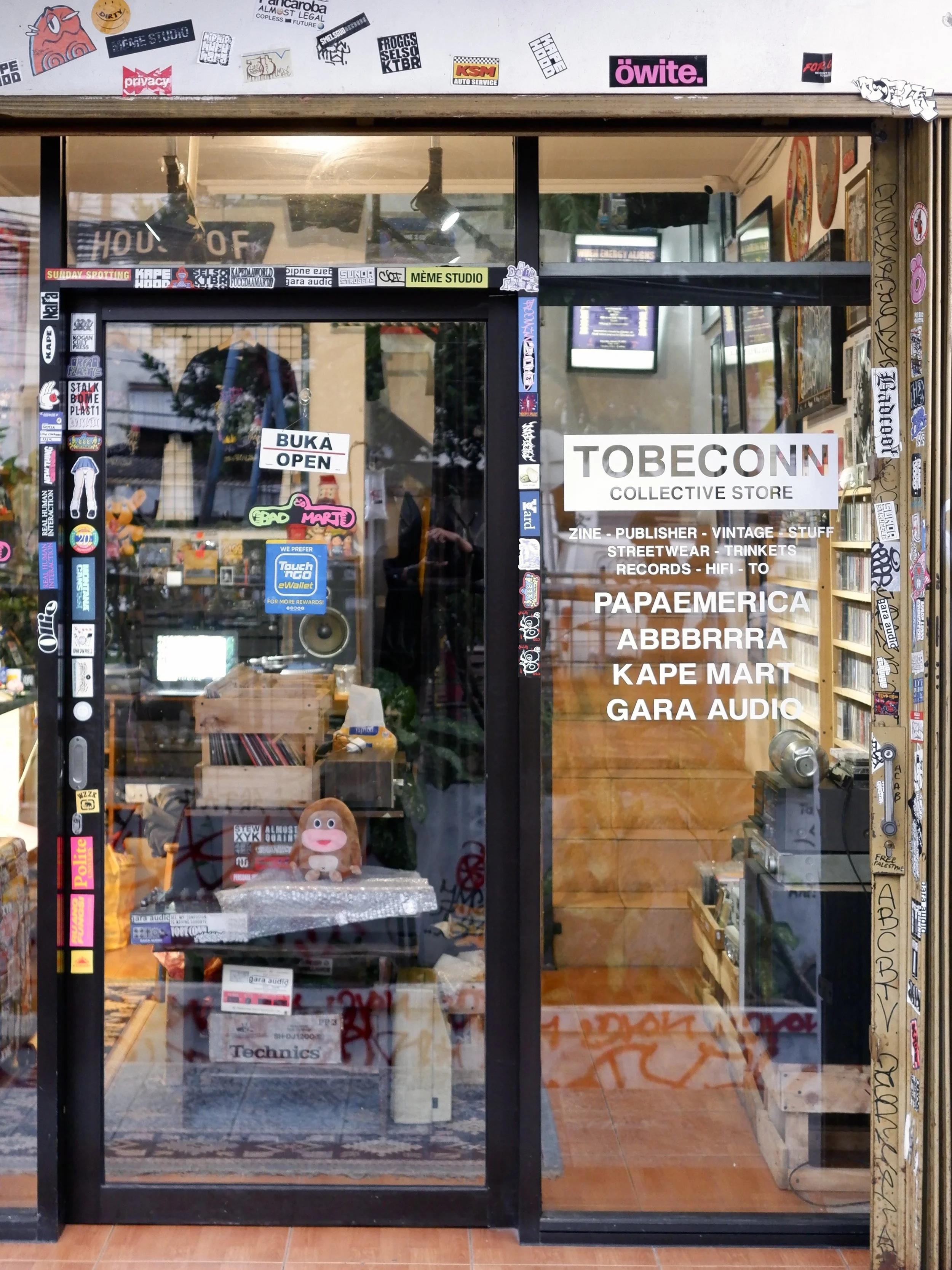
Within that movement is one of the coolest streetwear scenes coming out of Asia. And NO! Not in Japan or Korea. It’s coming straight out of South East Asia — specifically, Indonesia. All thanks to the trailblazer shop/collective Kape Mart — the creative hub for the culture. Repping for independent brands, designers, zine makers, and anybody in between from the local and global scenes. They’re tapped into this new blend of DIY zine/streetwear culture that has started popping off. This shit is real and very alive no matter how many people want to say that “streetwear is dead”. Kape Mart is a testament to that.
We got a chance to interview em to talk more about the what they got going on.
So tell me a lil bit about Kape Mart / Kape Hood
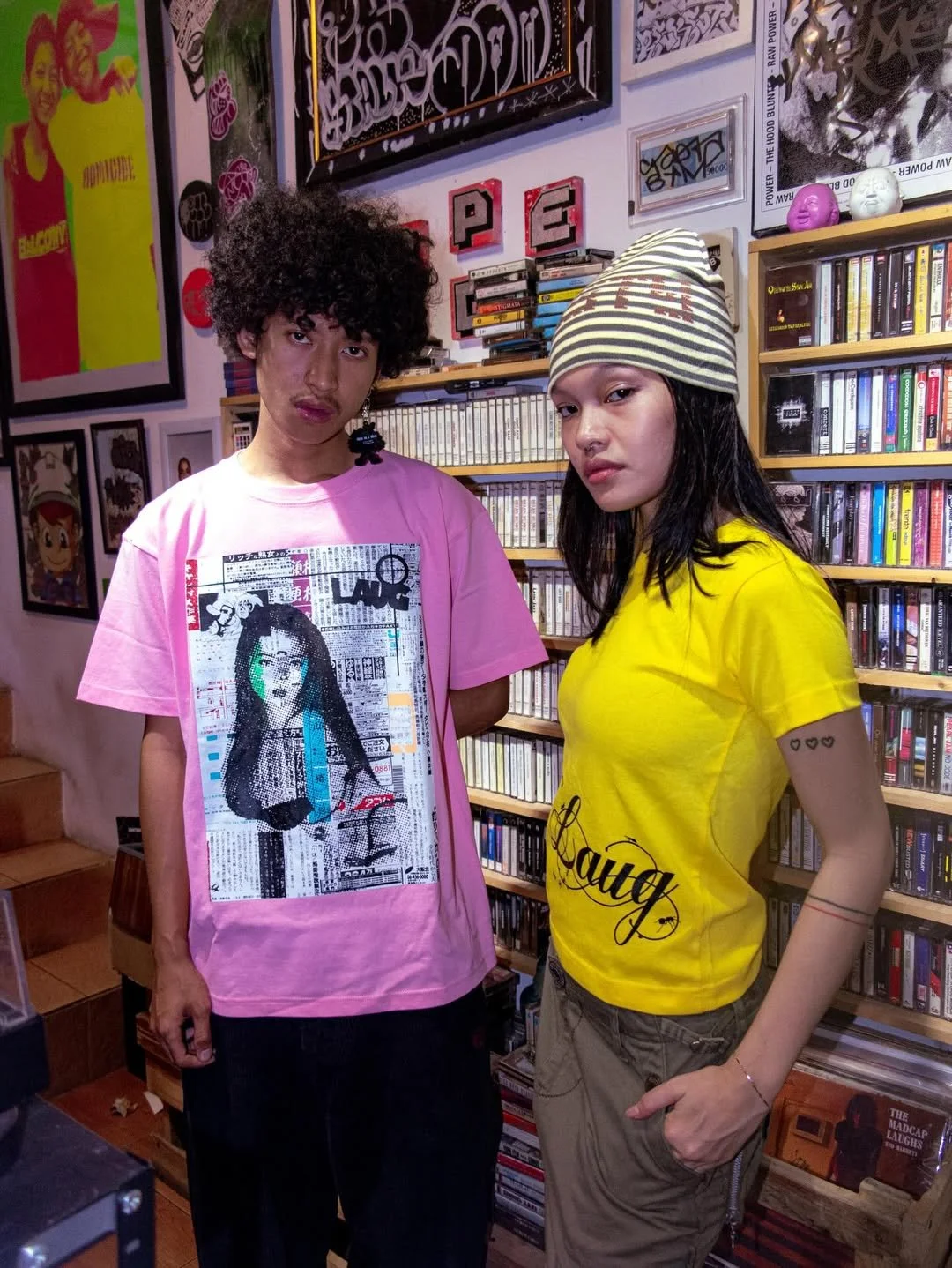
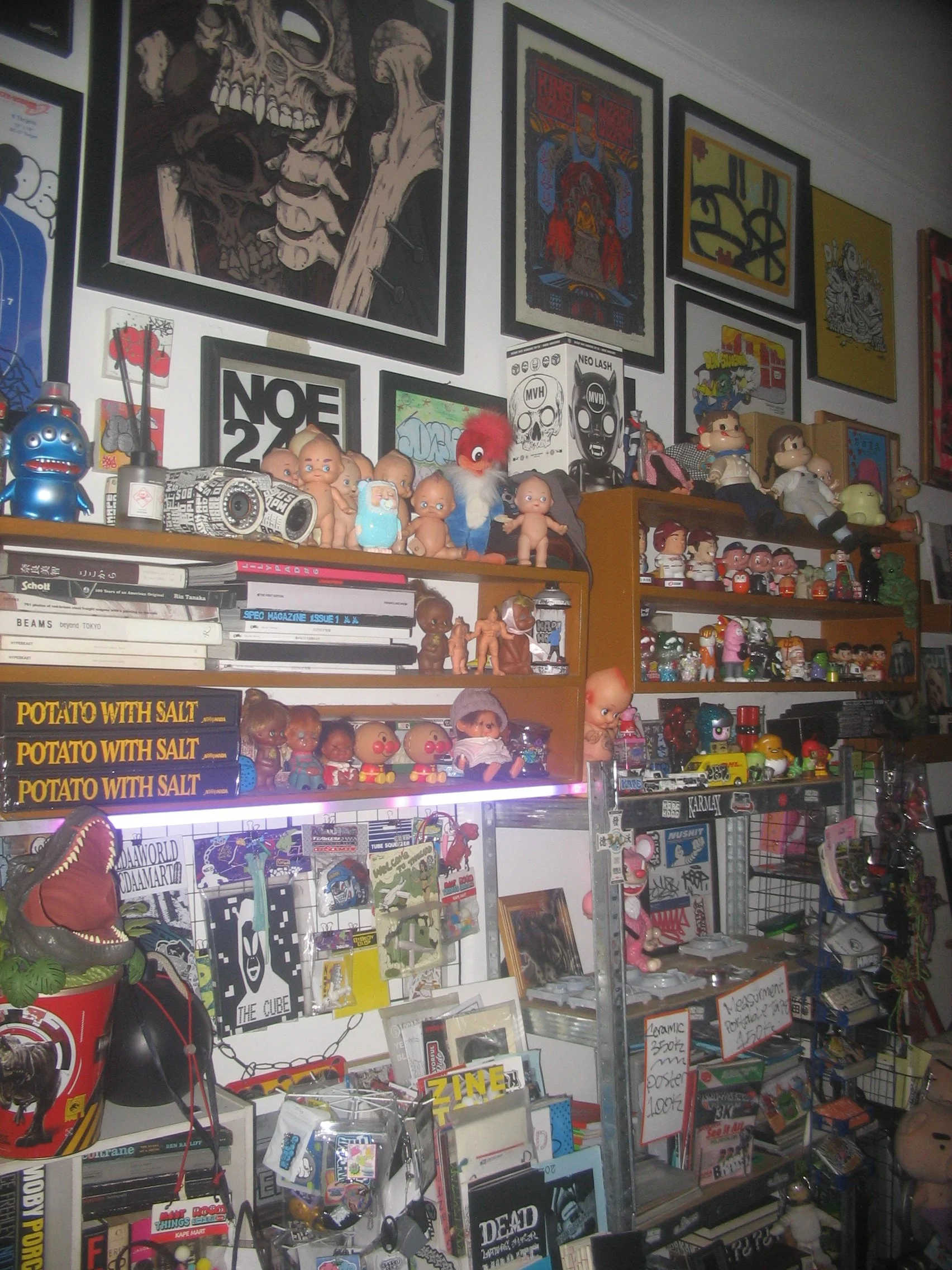
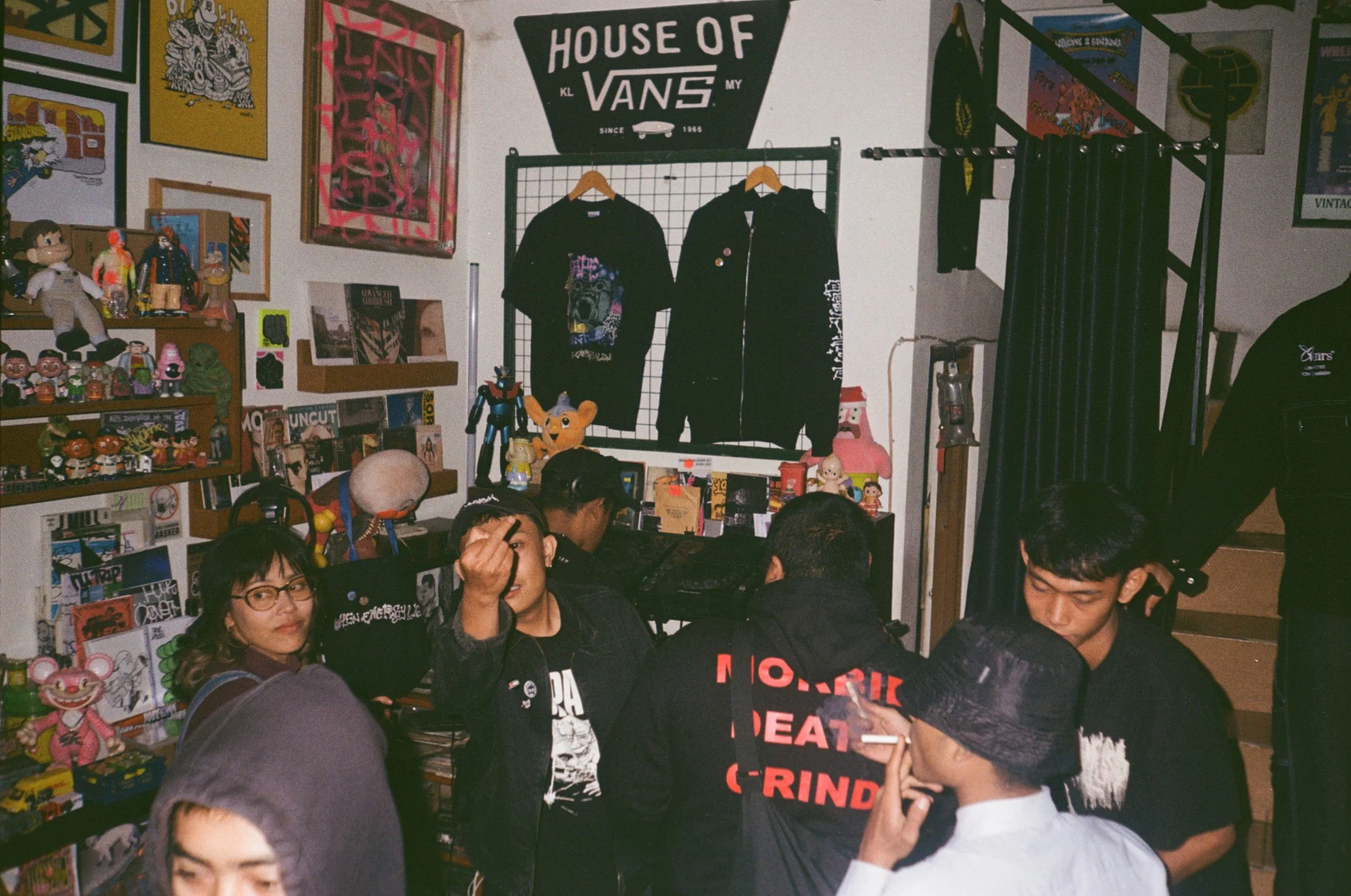
Kape Mart is a collective store based in Bandung, Indonesia. What started as a space for curated vintage collectible tees, gift shop goods, unique trinkets, and printed matter has grown into something much bigger than just a store.
“At its core, Kape Mart is really about creating an ecosystem that stays connected to street culture. Everything we carry and every project we put out is shaped by the communities and subcultures around us, whether that’s graffiti, DIY publishing, skate culture, music, or the broader visual language that comes from the streets.”
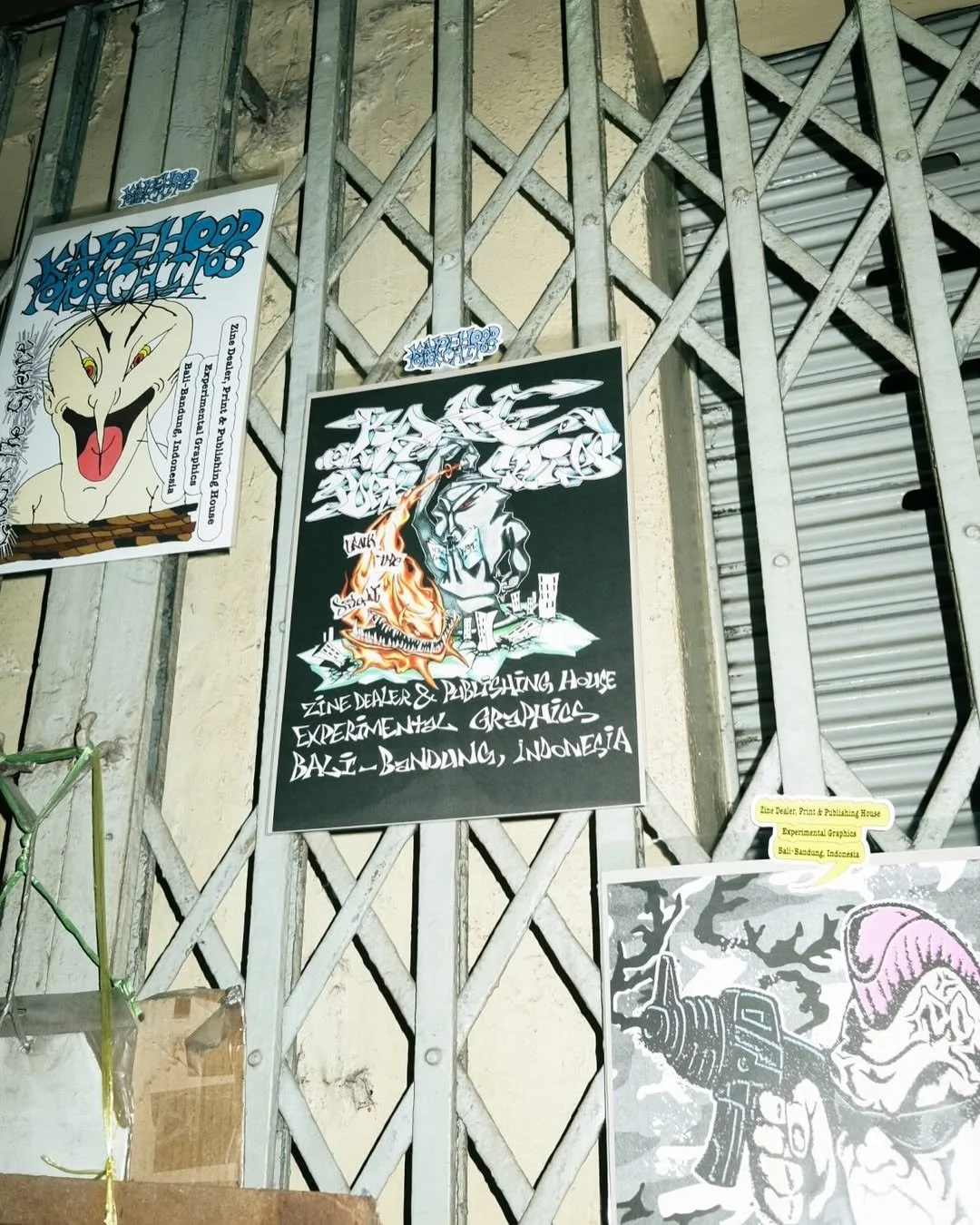
Through that foundation, we developed Kape Hood Connection, an extension of Kape Mart that focuses more on community-driven projects, especially supporting local artists and street art communities. A lot of our energy goes into graffiti culture, which has always been a big influence on how we think, create, and move. Through Kape Hood, we produce zines, design merchandise, organize exhibitions, and create different kinds of activations inspired by hip-hop culture, with graffiti as one of the core forms of expression.
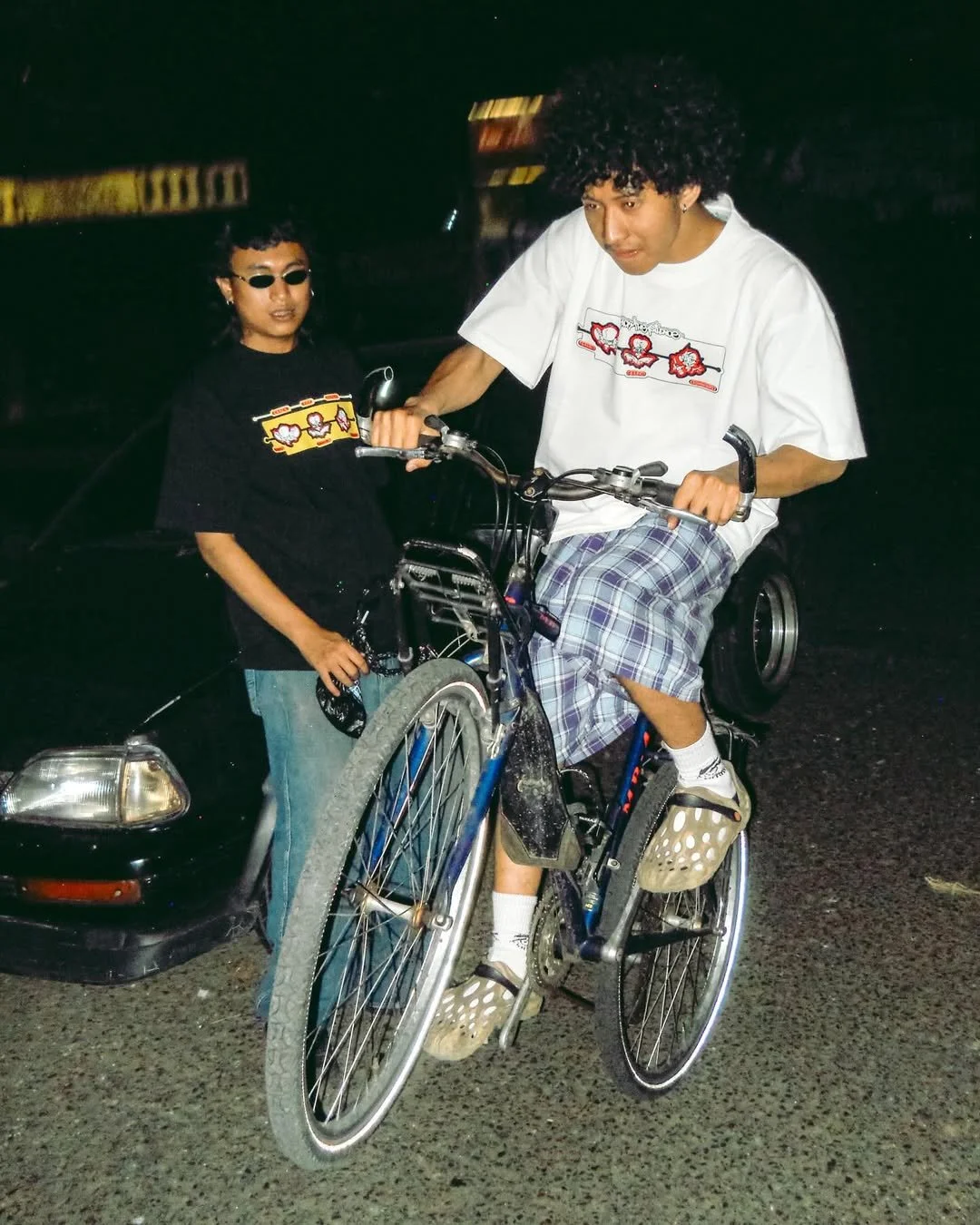
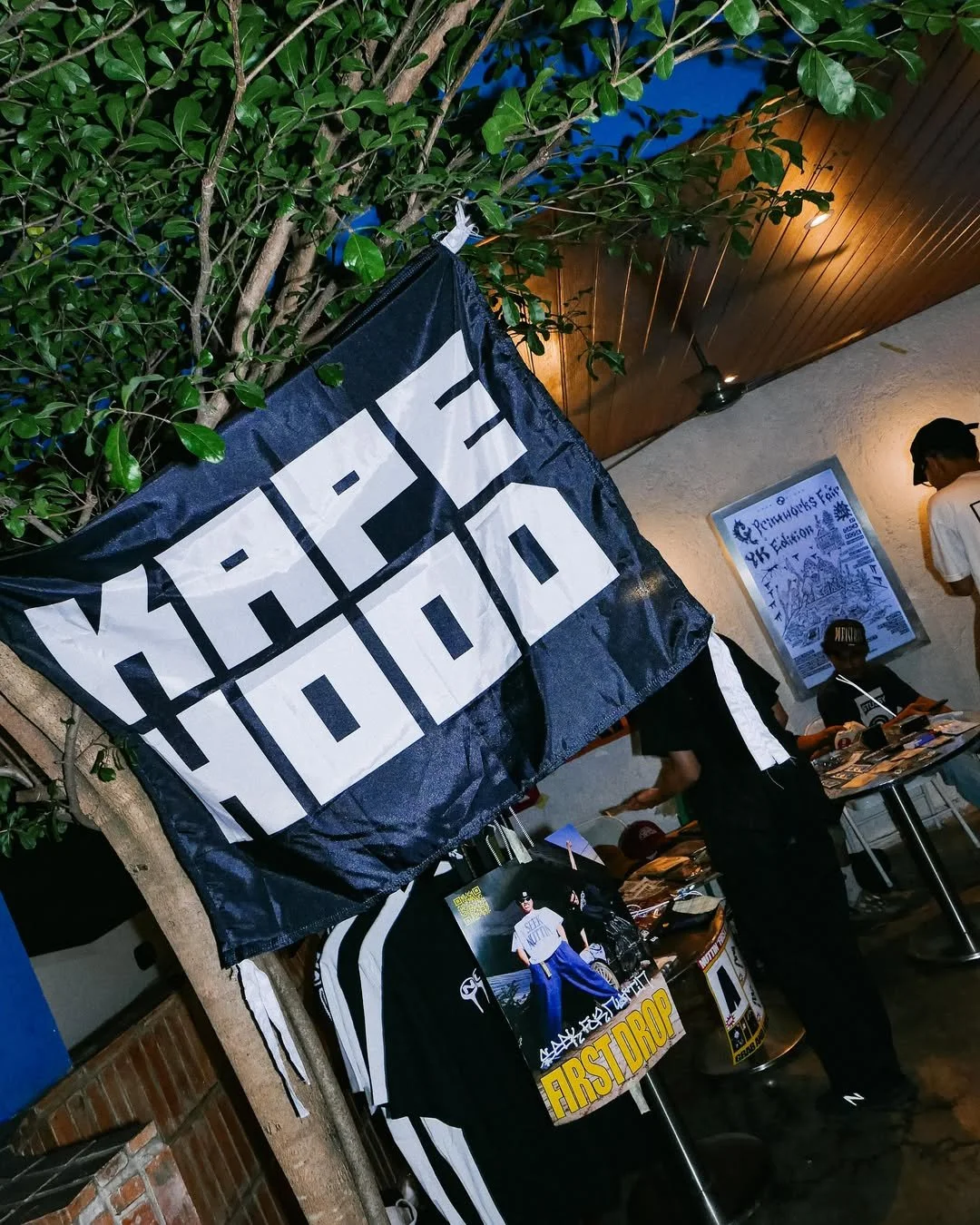
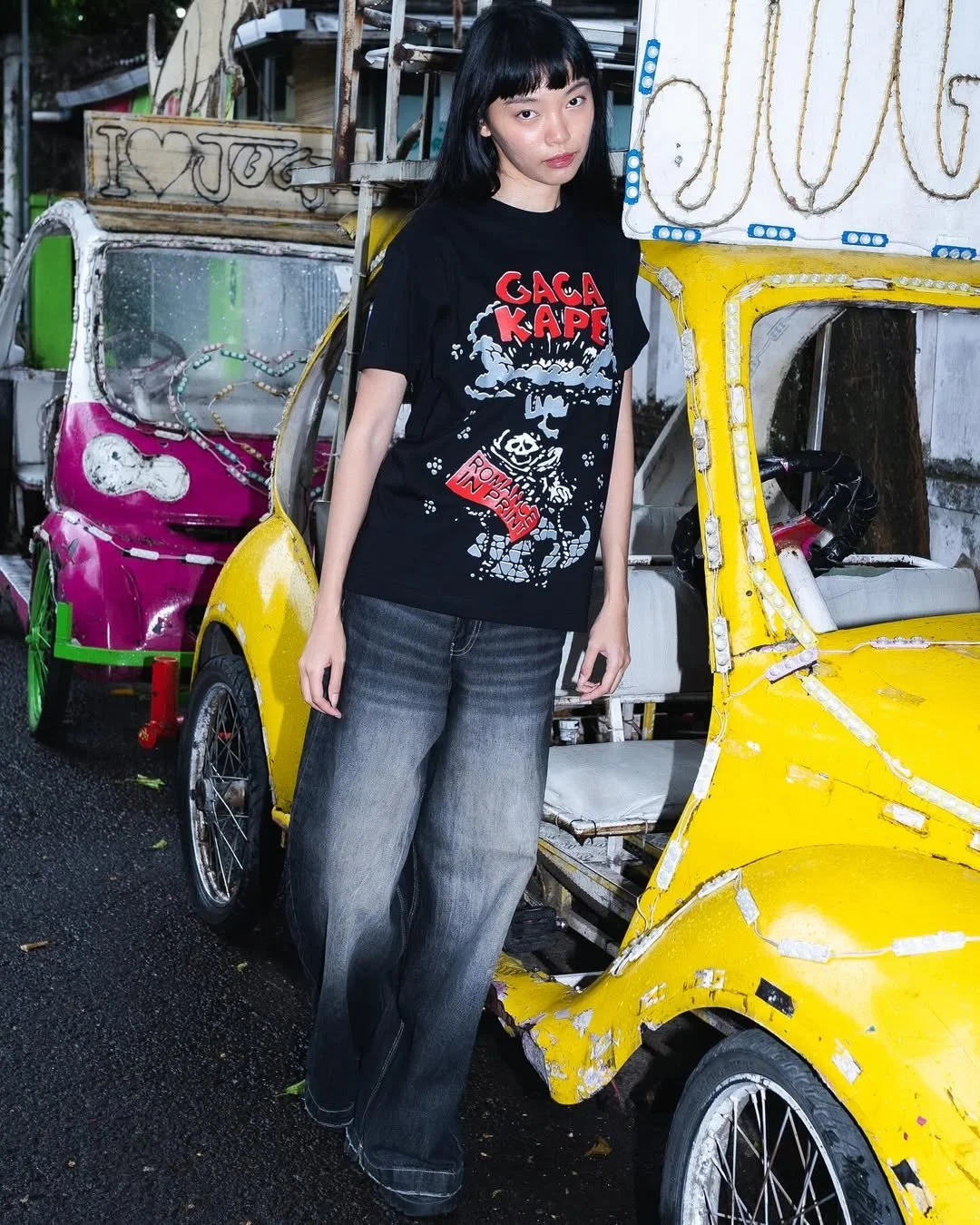
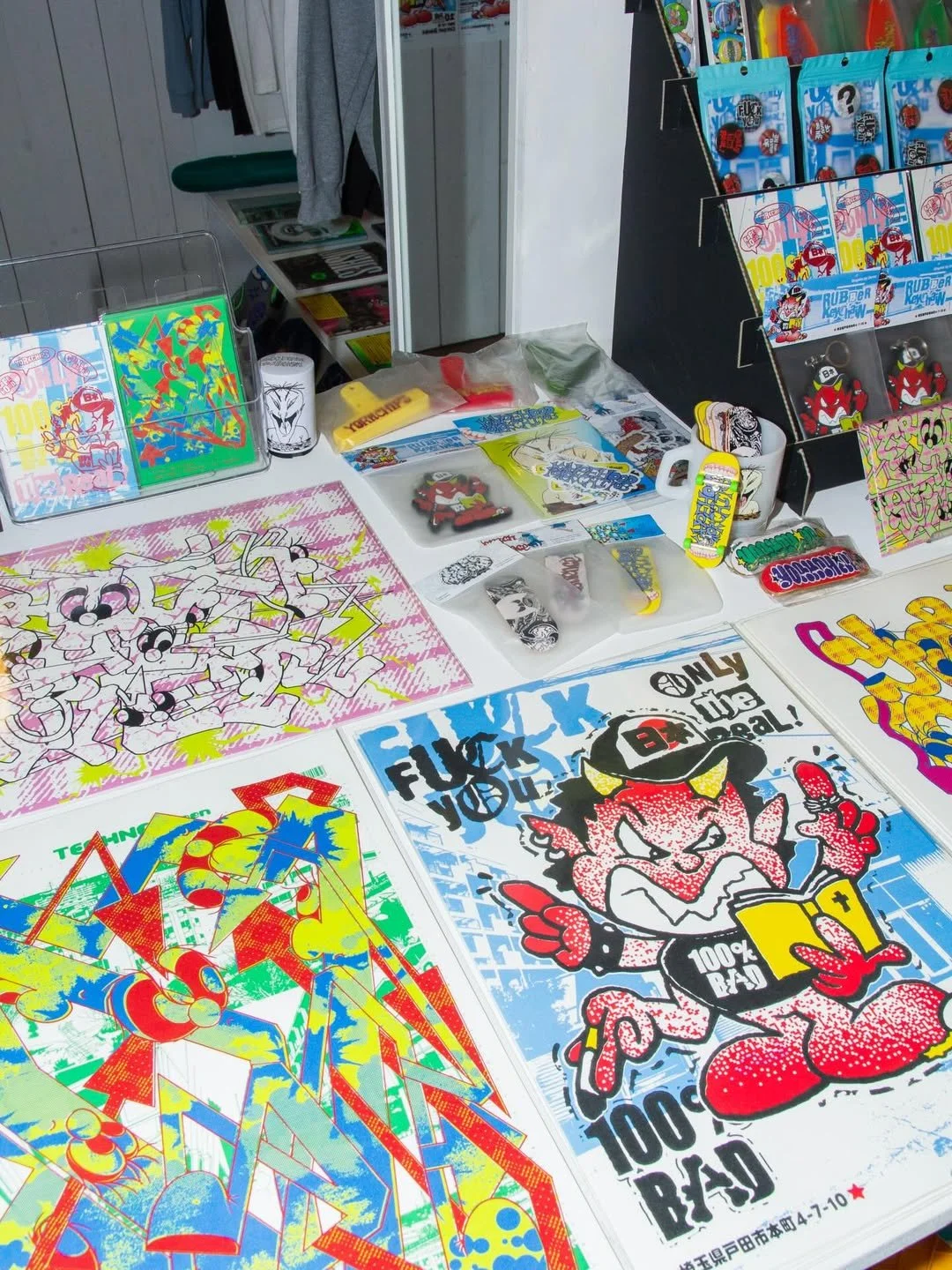
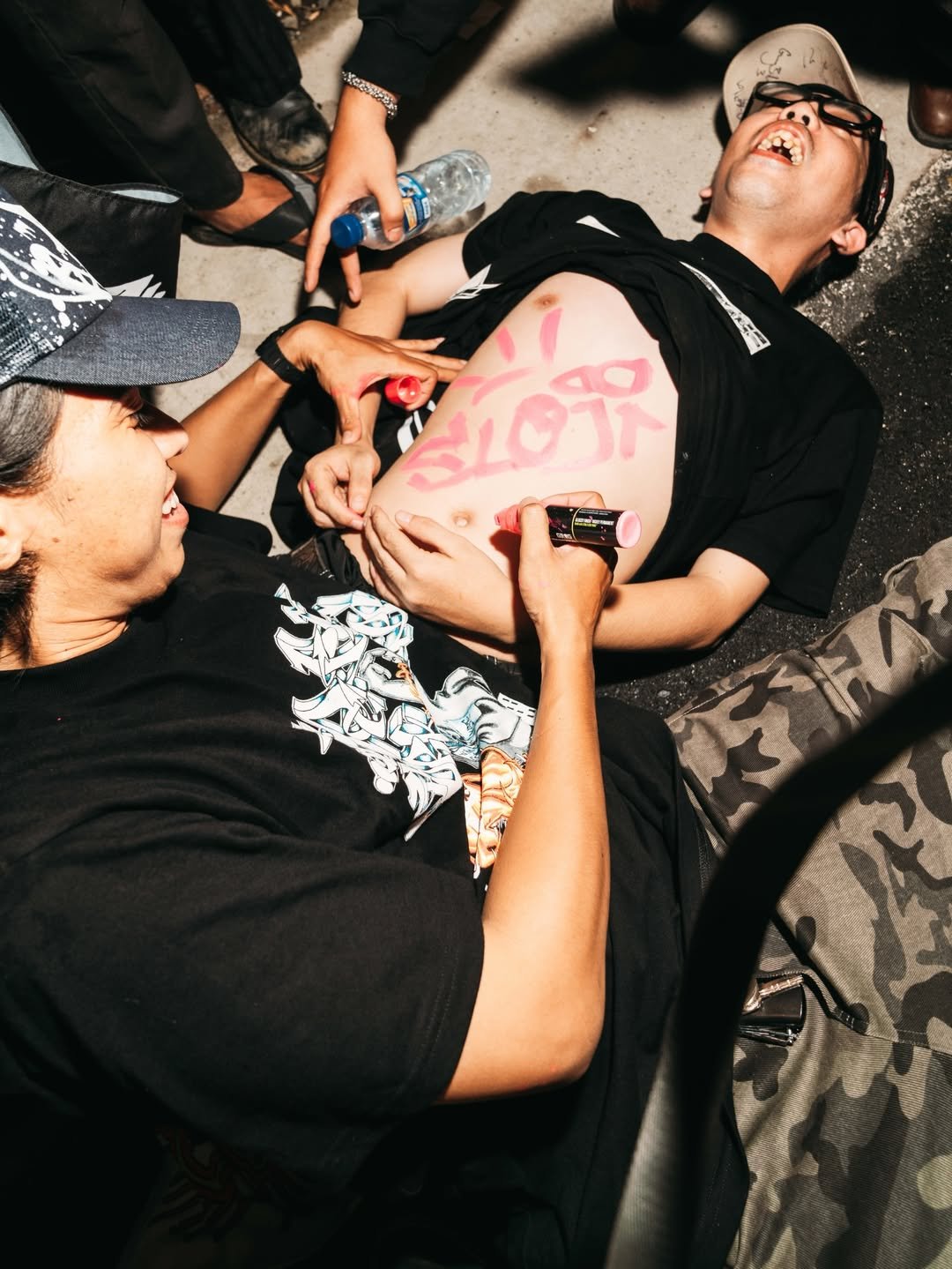
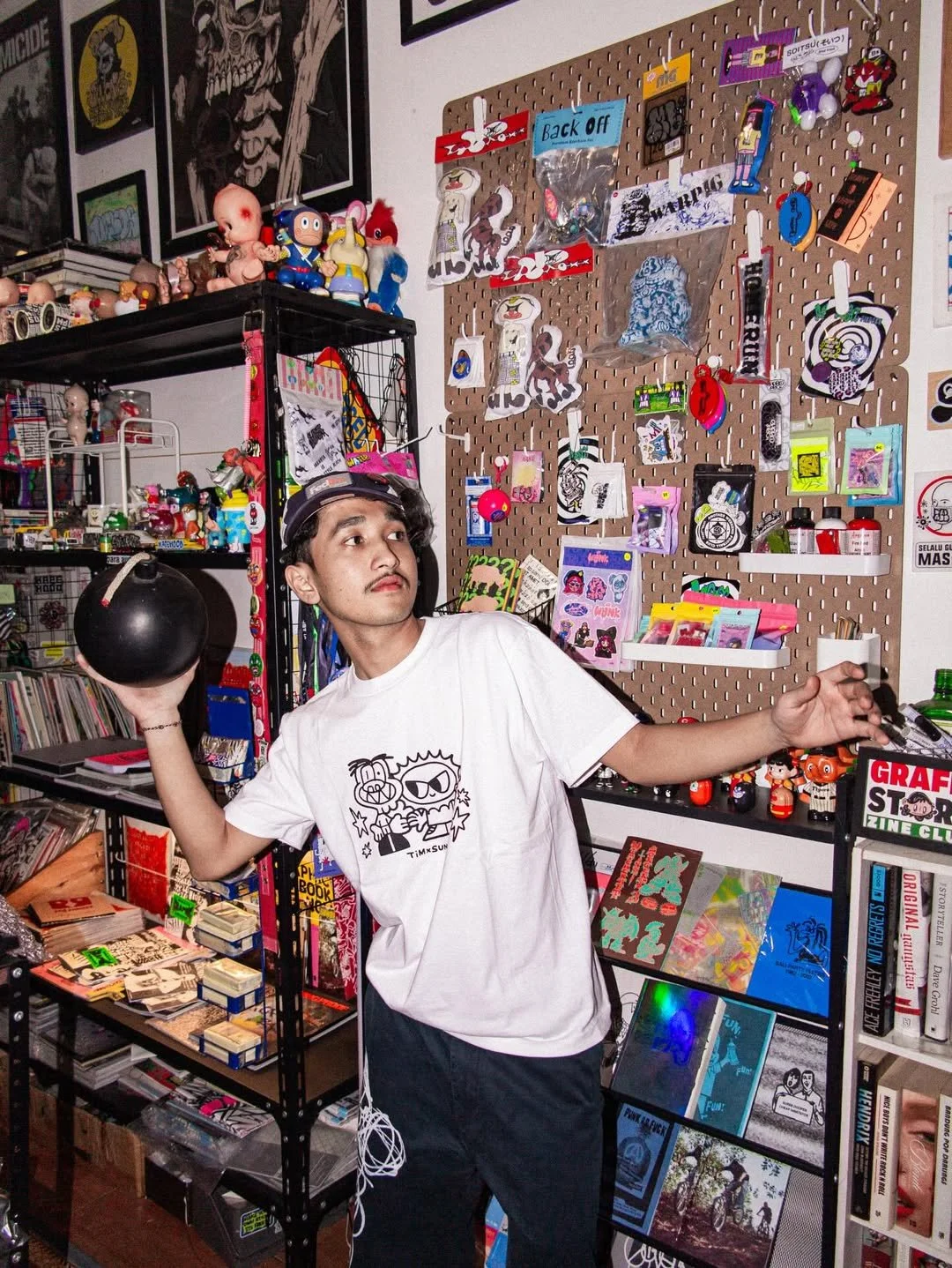
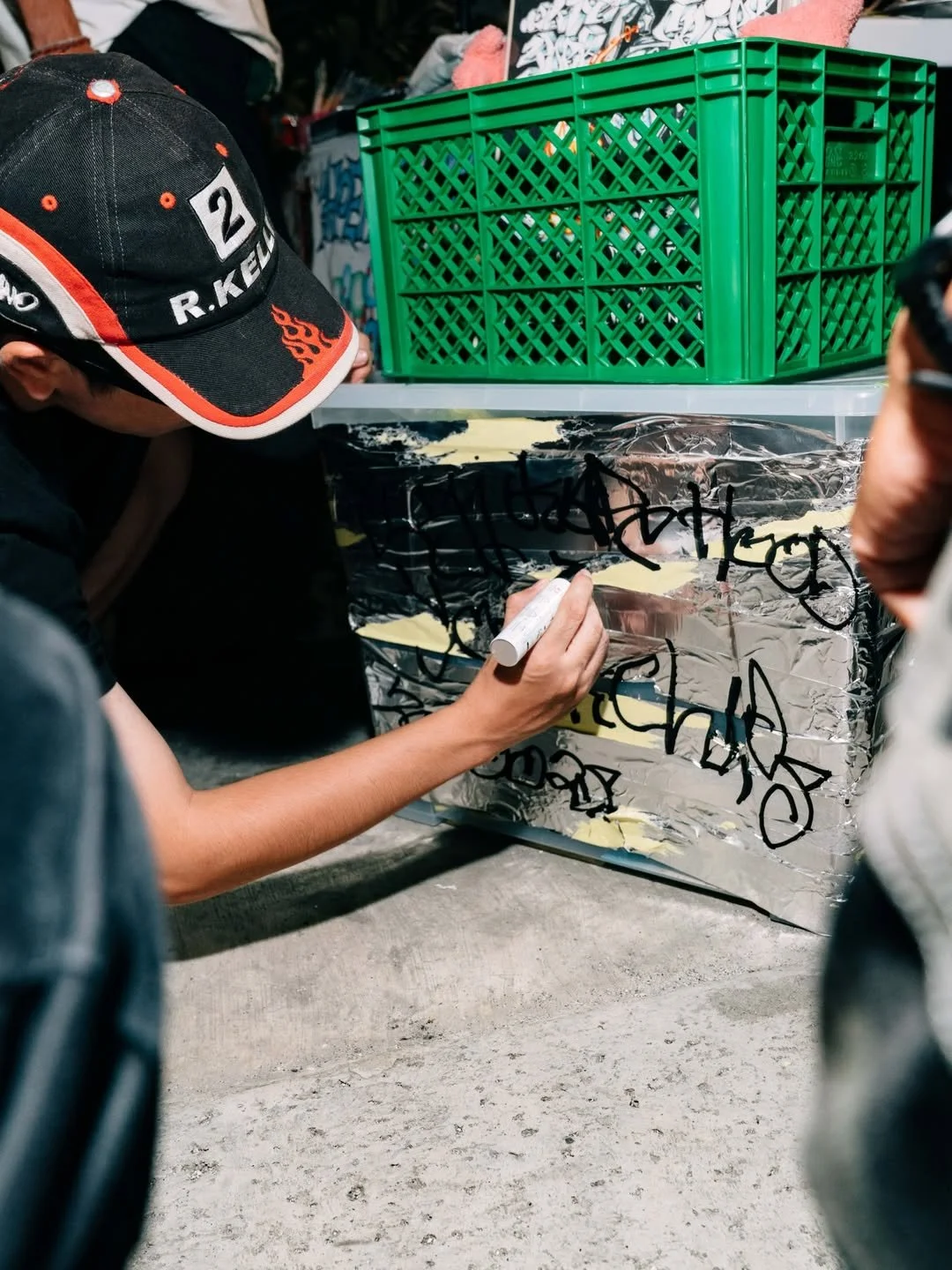
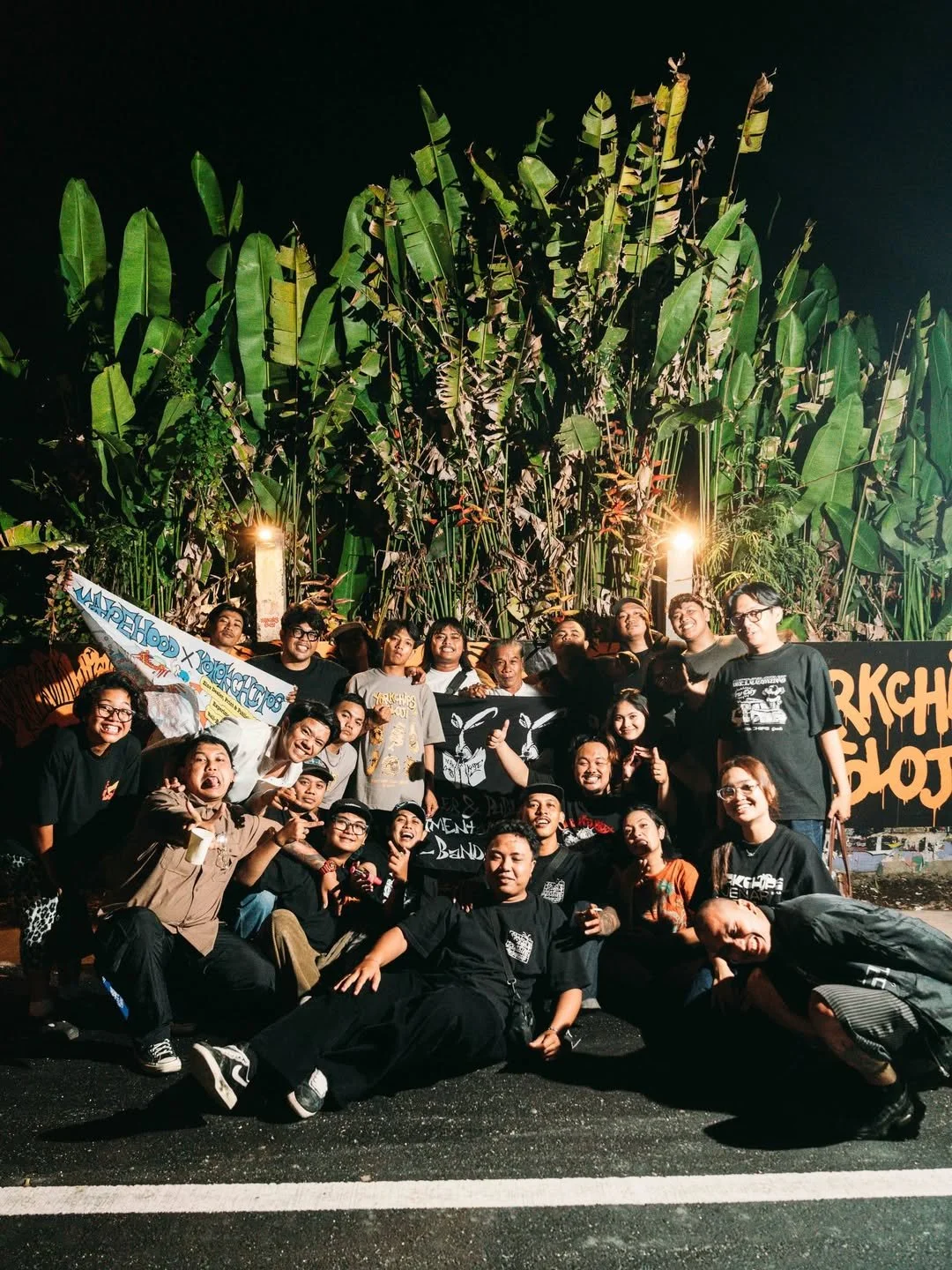
What really makes us different is the way we try to stay rooted in genuine connection. We’ve always believed that building strong relationships with the community creates a healthier ecosystem for everyone involved. It’s not just about putting products on shelves, it’s about creating opportunities for collaboration, documentation, and exchange.
That’s why we consistently release collective zines, organize exhibitions, and work on projects that help keep these cultures visible and accessible.
For us, Kape Mart isn’t just about selling vintage tees or collectible goods. It’s about creating a platform where people can connect, share ideas, and contribute to something bigger, keeping the movement alive while staying true to where we come from.
How did you guys shape the collective?
It happened organically. There wasn’t some master plan to build a collective from day one.
It started with shared interests, collecting, design, subculture, making things, hanging out, exchanging ideas. Over time, certain people naturally aligned because they shared the same energy and values.
The collective was shaped through doing: organizing events, producing zines, making mistakes, learning from each release, meeting people along the way. We’ve always tried to keep it open and fluid rather than rigid.
That flexibility is what keeps it alive.
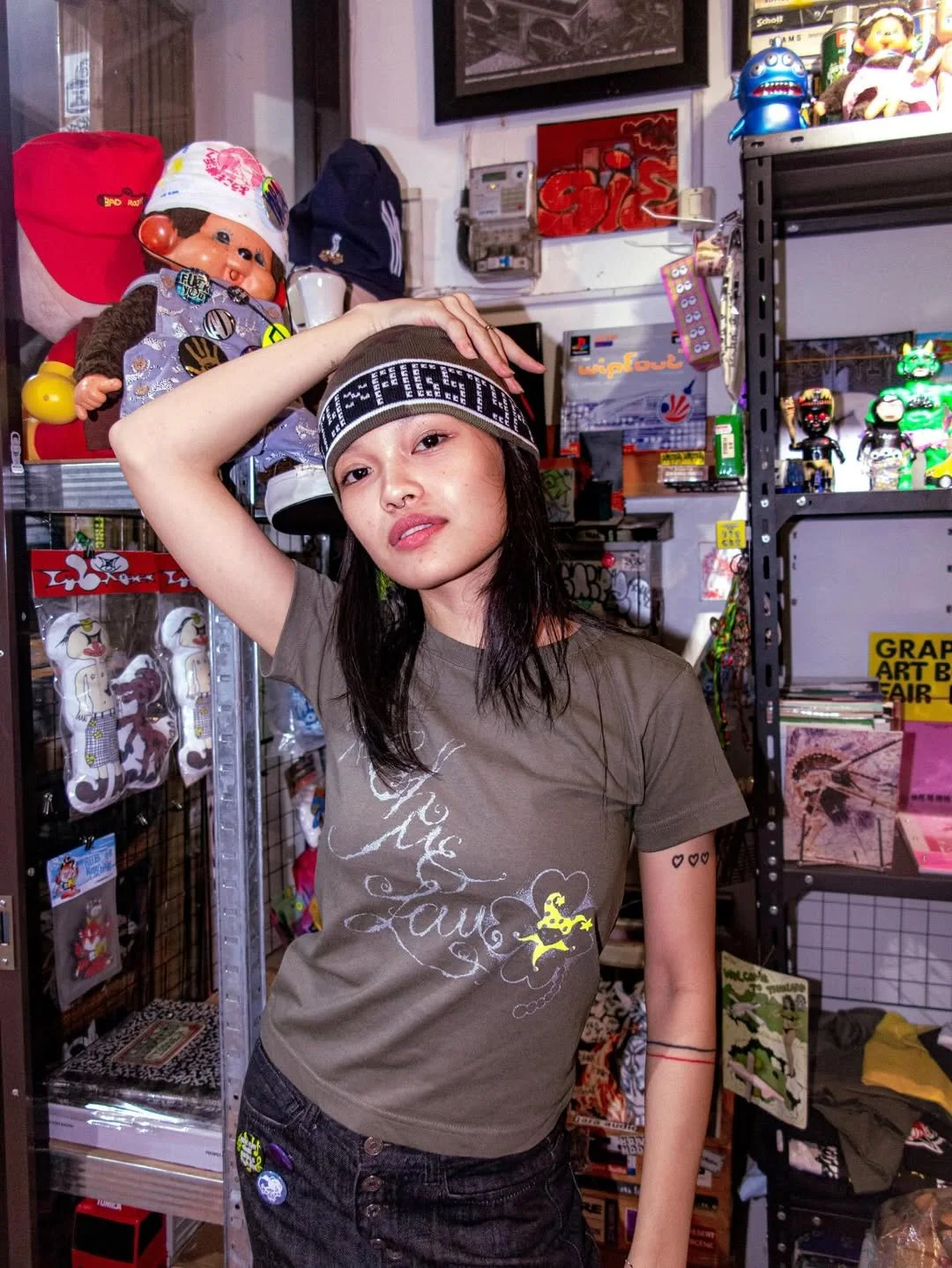
Kape Mart has such a strong brand identity. What are some of your influences?
The biggest influence is probably subculture itself.
Graffiti, bootleg graphics, old print media, skateboarding, punk DIY ethics, hip-hop, photocopied zines, internet-era weirdness, Southeast Asian street visuals, street vendors, random typography found in local markets, all of that shapes how we think visually.
We’re also influenced by how people create under limitations.
A lot of the aesthetics we love come from imperfect systems: low-budget printing, improvised design, bootlegs, accidental compositions. There’s honesty in that.
“We’re less interested in polished perfection and more into things that feel alive.”
What’s the streetwear scene like around Jakarta / Indonesia?
Since Kape Mart is based in Bandung, our perspective naturally comes from there first.
Jakarta and Bandung have very different energies, even though both play important roles in shaping Indonesia’s streetwear scene. If we’re talking about scale and industry, Jakarta has definitely become the center. A lot of major brands, bigger commercial movements, and trend circulation happen there, so in many ways Jakarta represents the broader direction of Indonesian streetwear. The scene moves fast, the industry is highly developed, and there are a lot of strong brands consistently pushing quality and presence.
Bandung is a different story.
Even though it’s still a big city, the scene here feels smaller and more intimate. There’s still a strong DIY spirit and a sense of togetherness that shapes how people create. Things move at a more relaxed pace, it’s less about chasing momentum and more about staying intentional with what you make.
Bandung has always had this culture of people building things organically, whether through small independent brands, music communities, print culture, skateboarding, or art spaces. It’s not as fast-paced or industry-driven as Jakarta, but that’s exactly what gives it its character.
If Jakarta reflects the scale of Indonesian streetwear, Bandung reflects a lot of its soul, more laid back, but still very sharp and on point creatively.
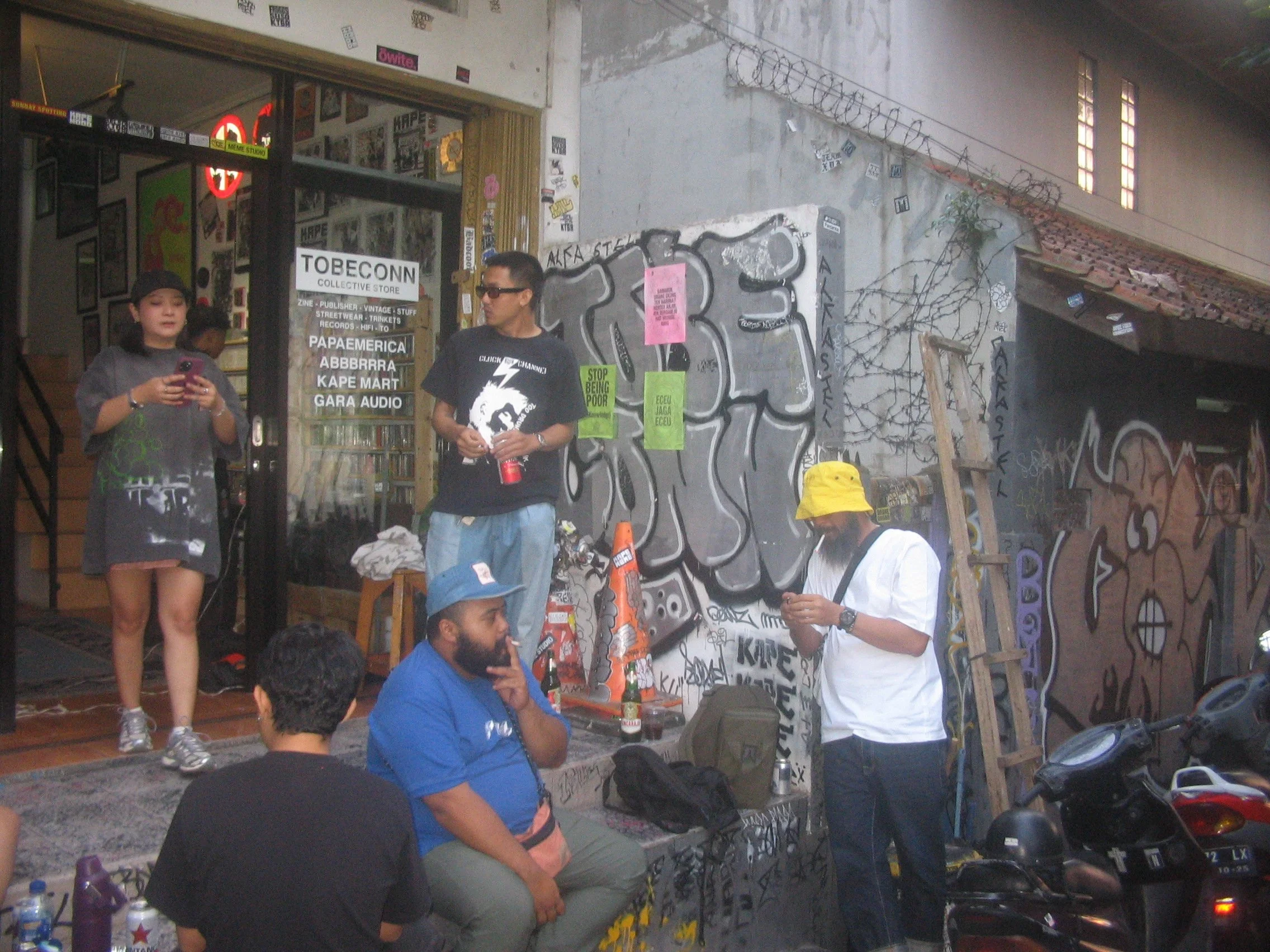
Yall ever try to purposely put on for Southeast Asians at all?
Definitely.
A big part of what we do is trying to build visibility for Southeast Asia as its own cultural ecosystem.
“For a long time, when people talked about Asian street culture internationally, the conversation mostly stopped at Japan. And Japan deserves the respect, obviously. But there’s so much happening across Southeast Asia that often gets overlooked, whether that’s Indonesia, Thailand, Malaysia, Taiwan’s crossover with SEA communities, or the Philippines.”
That’s why we push collaborations, tours, and exchanges with collectives across the region. It’s less about trying to “compete” with established scenes and more about creating our own dialogue.
We want people to look at Southeast Asia and recognize that there’s a distinct perspective here, rawer, more resourceful, more DIY out of necessity.
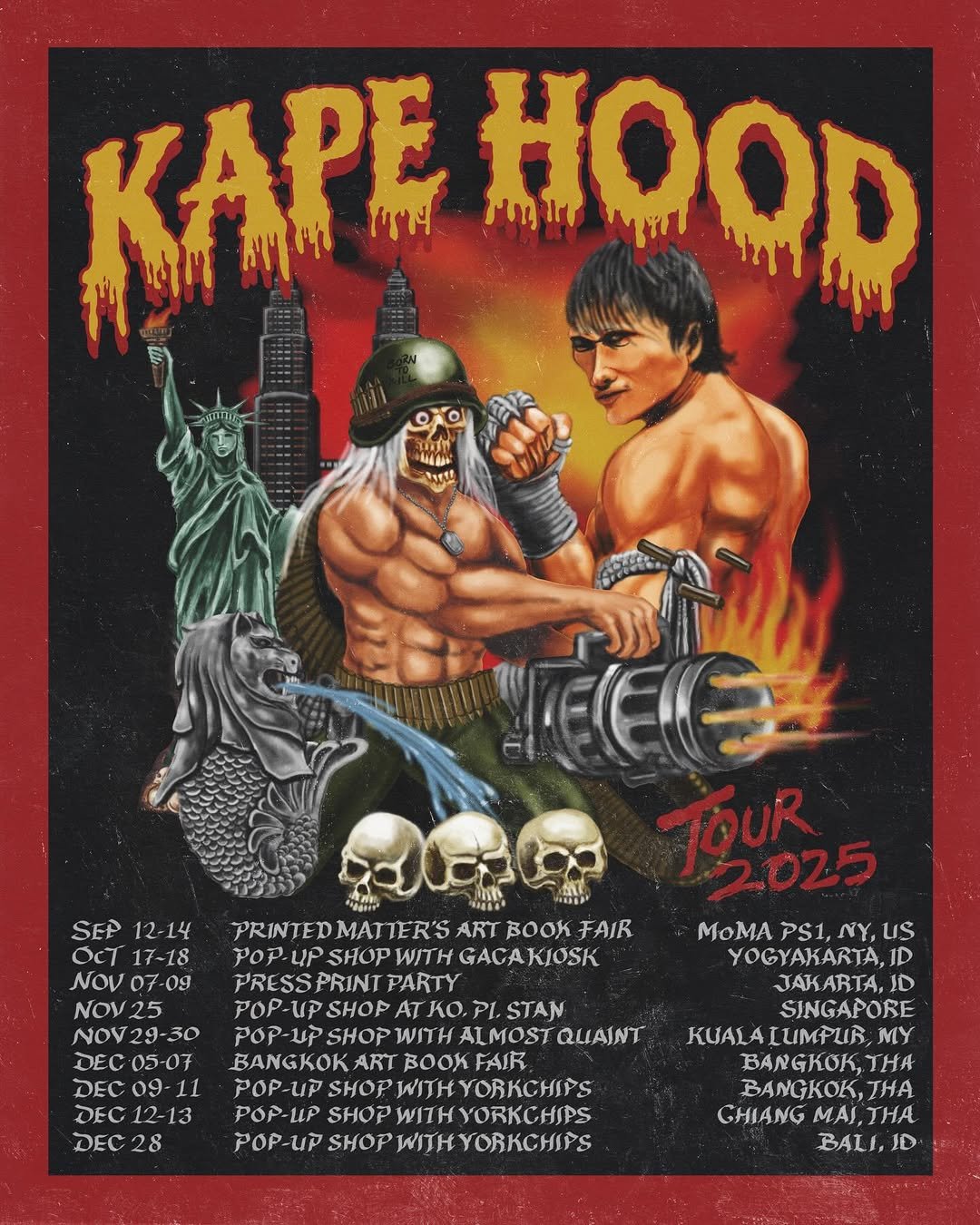
Yall are tapped into the niche zine / DIY scene globally. How do you stay in the loop?
Honestly, it’s mostly relationships.
The internet helps, of course, but most of the real connections come from consistently showing up, whether that’s through art book fairs, trading printed work, collaborating on projects, or just building friendships over time.
Publishing and zine culture still feels really personal. Once people know your intentions are genuine, doors open naturally. A lot of what we’ve built came from simple conversations that turned into exchanges, then collaborations, then long-term connections.
We also stay curious. We’re constantly researching, collecting, observing, and paying attention to scenes outside the algorithm.
Feel that fosho. What role do you think print has in today’s space?
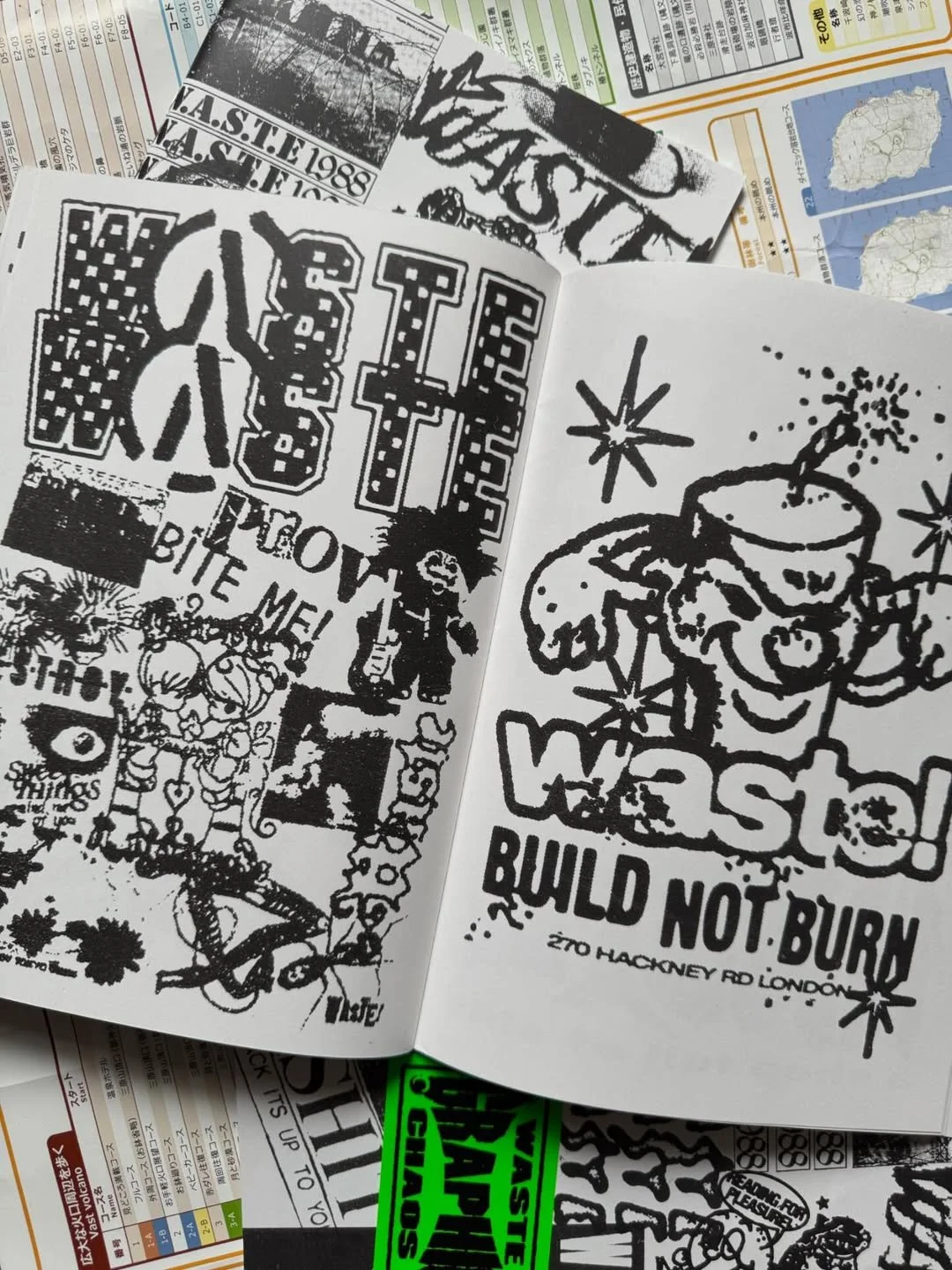
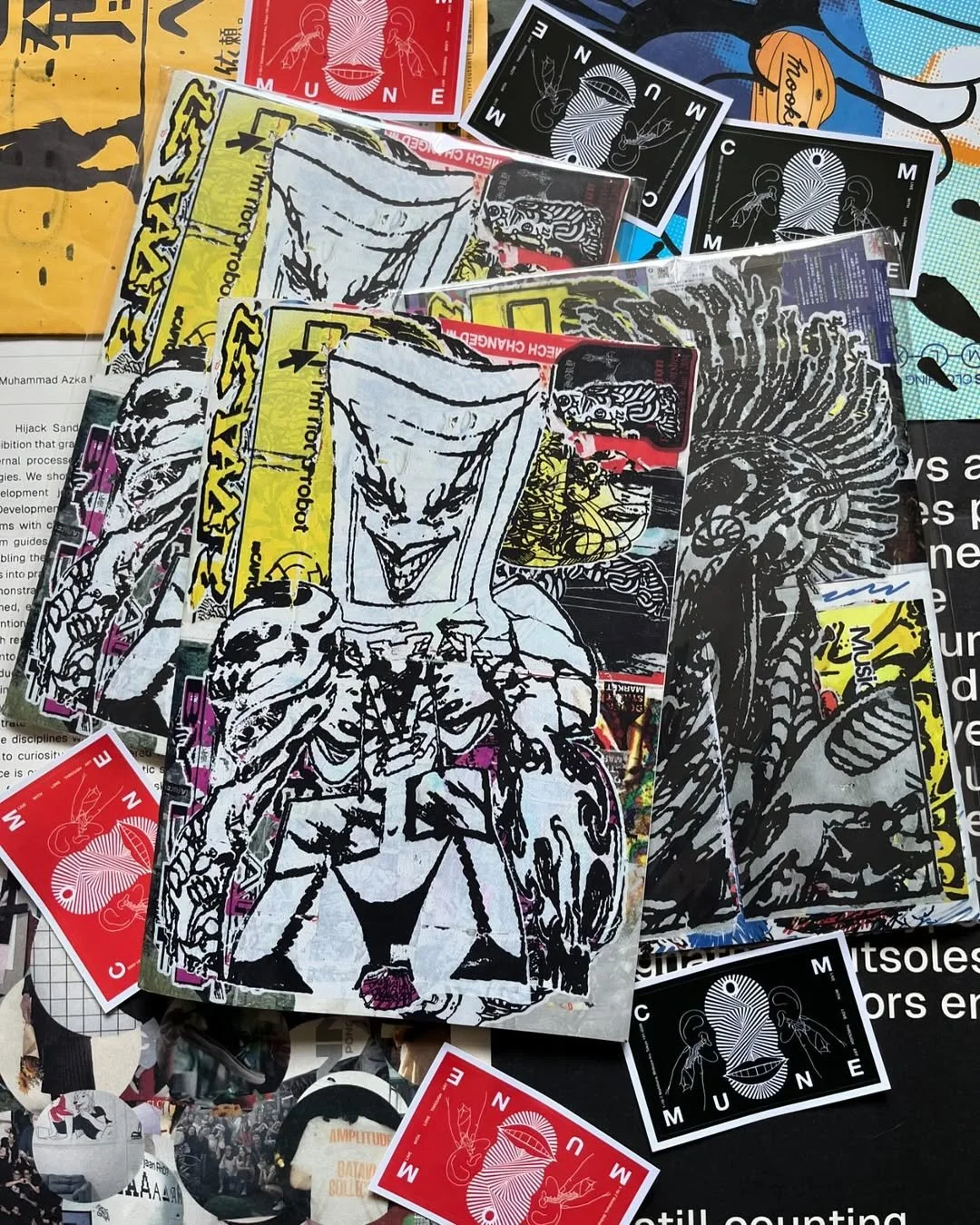
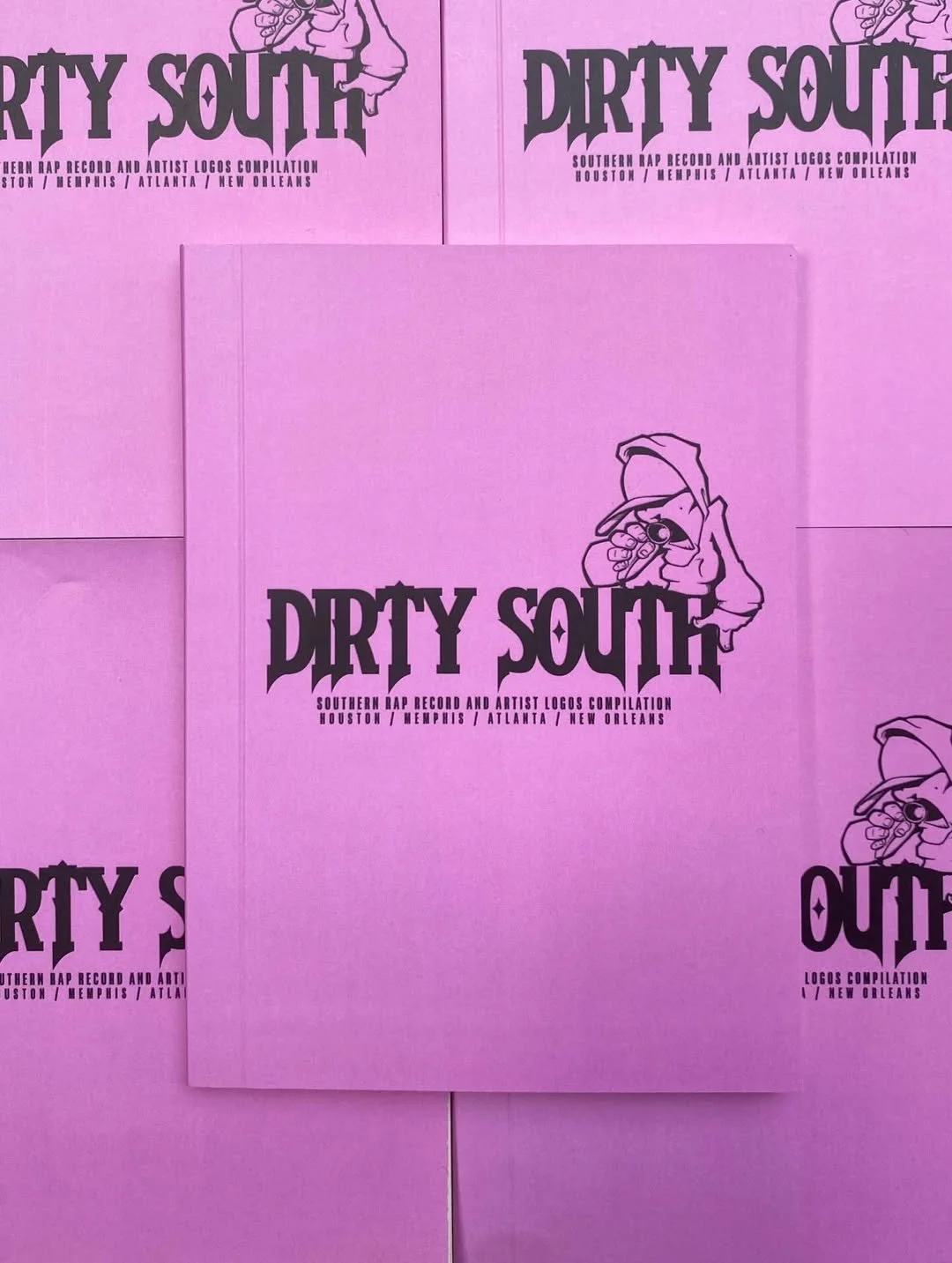
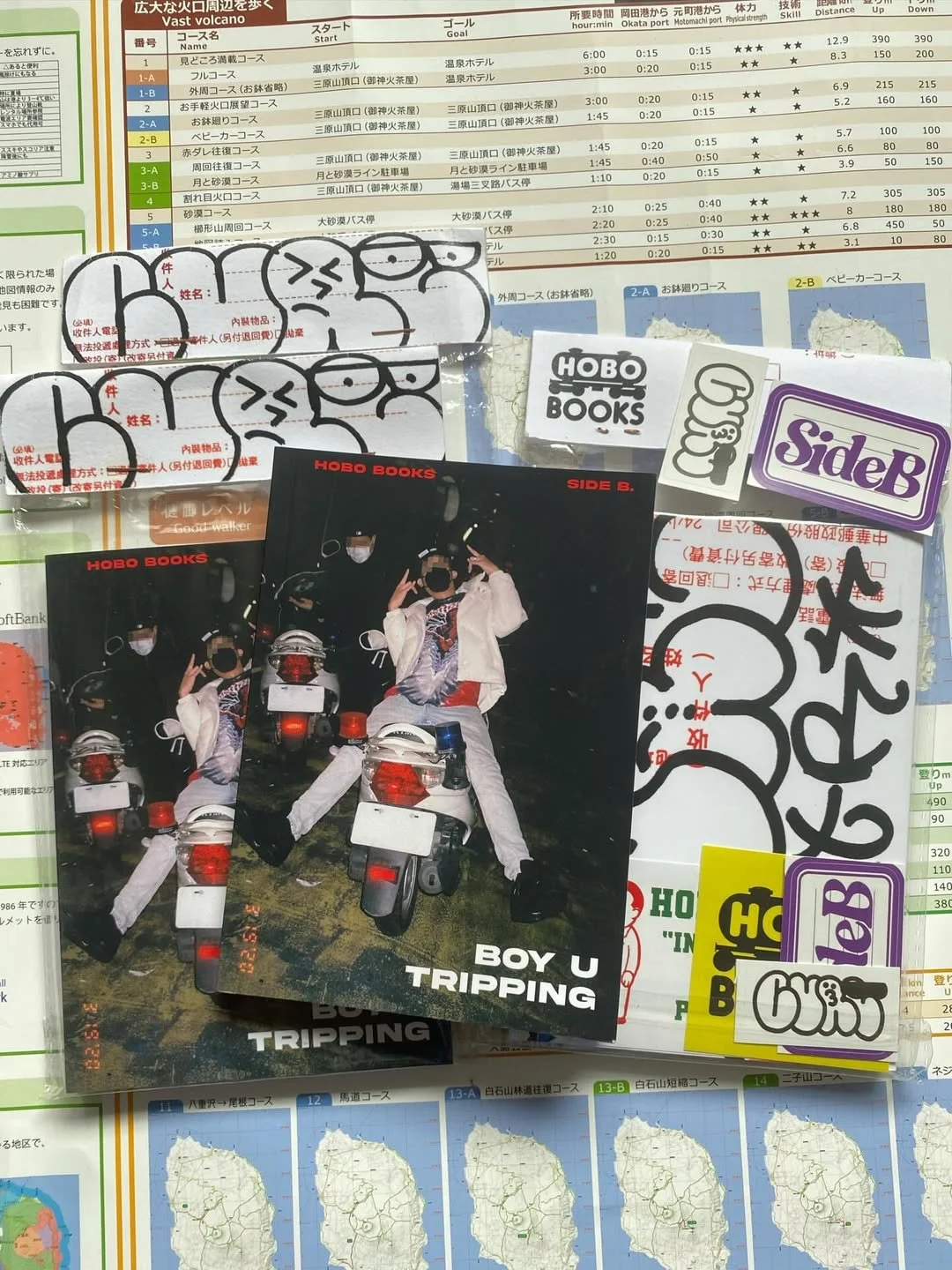
Print feels more important now because everything else is so temporary. Digital moves fast, but it disappears just as quickly.
Print slows things down. It creates permanence. It gives people something physical to hold, archive, revisit, and build memory around.
For us, print is documentation, but it’s also resistance against everything becoming disposable content.
A zine can travel, get traded, get passed between people, sit on someone’s shelf for years, and still hold weight.
That kind of longevity matters.
I see yall always got some stuff going on. How do yall build your community?
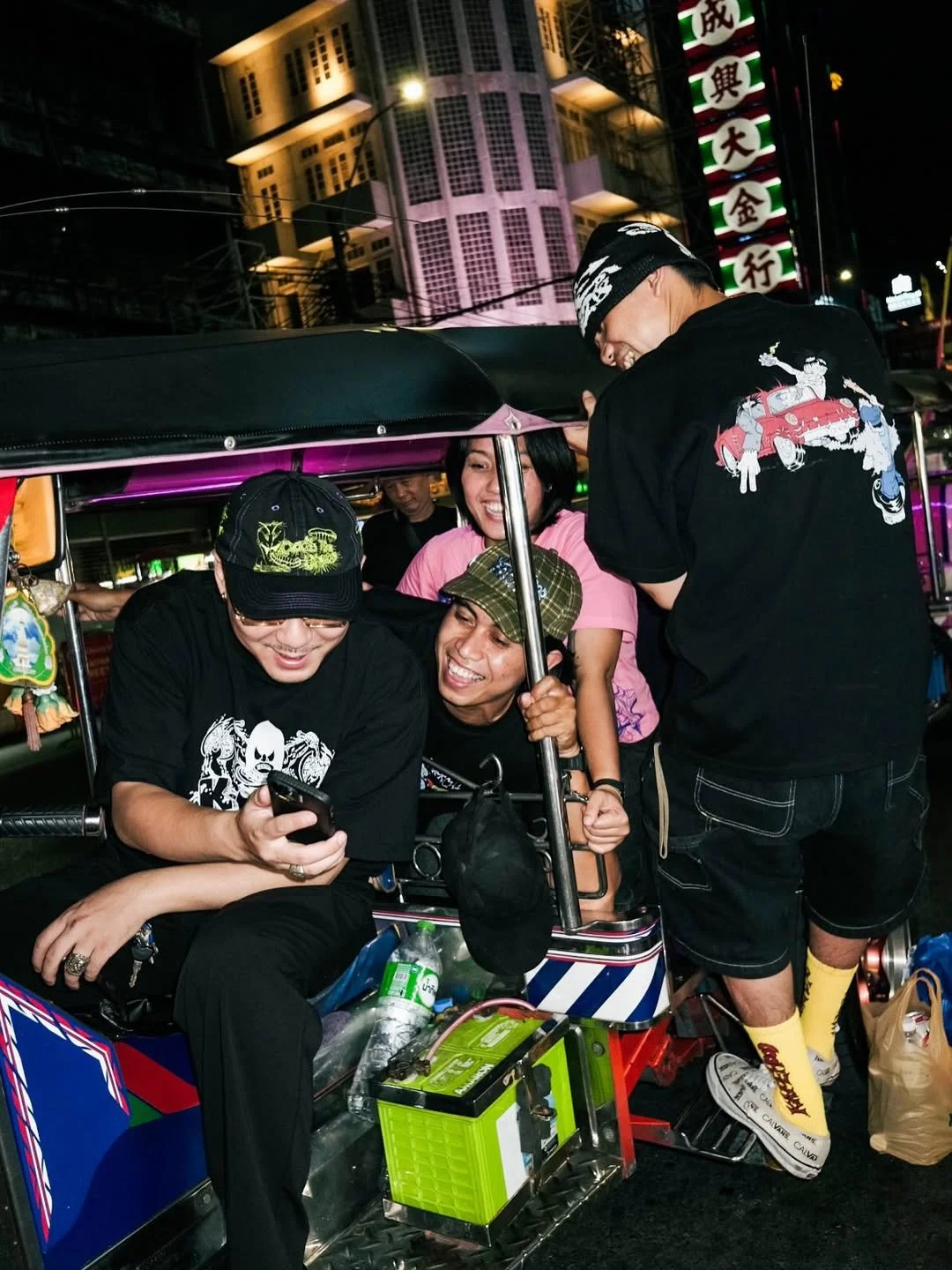
A lot of it comes down to creating spaces for interaction.
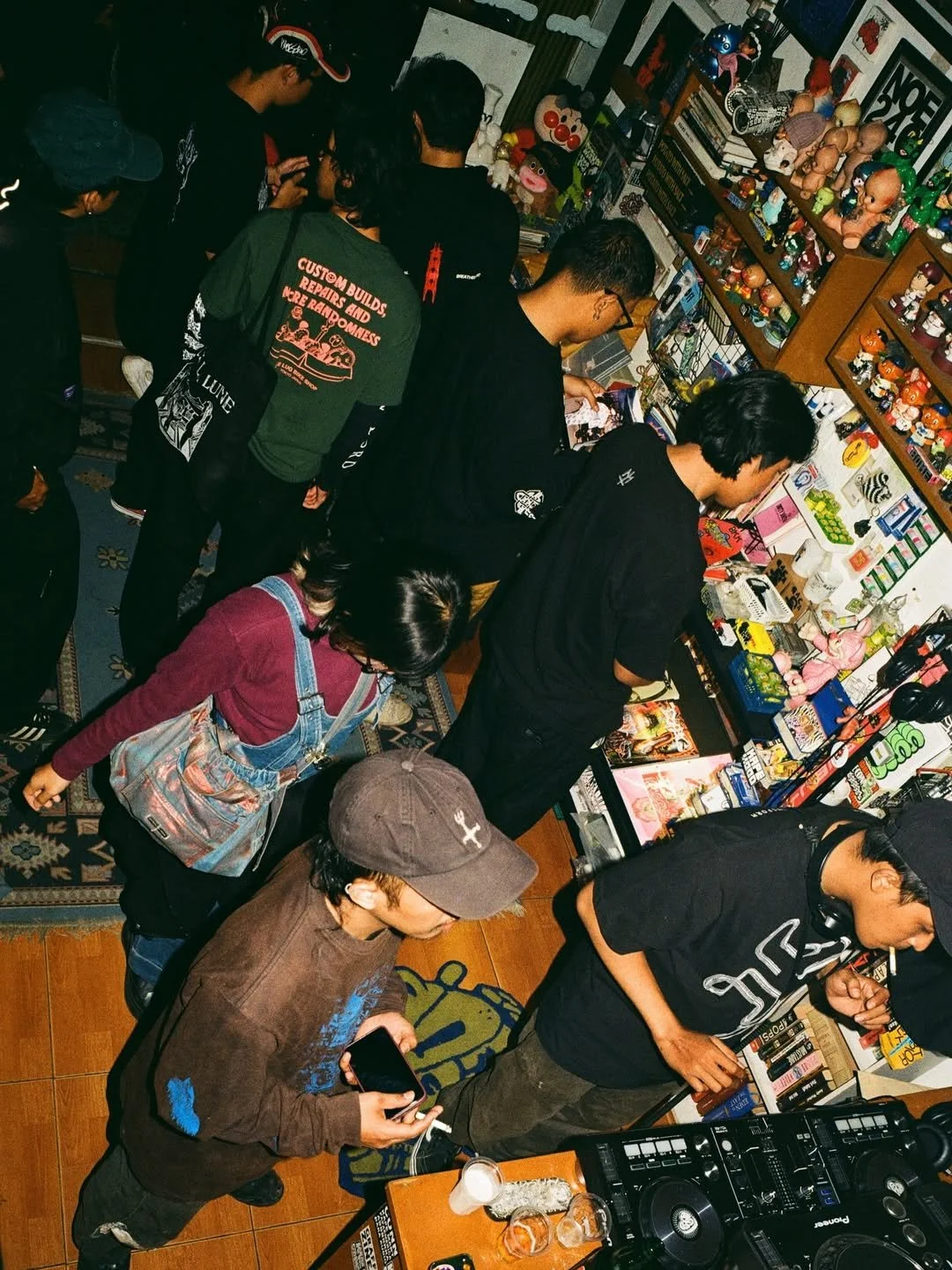
We organize exhibitions, pop-ups, zine launches, screenings, collaborative releases, and small gatherings where people can connect naturally.
We also try to create opportunities for others to participate, whether that’s featuring artists in publications, collaborating with local creatives, or opening space for experimental work.
“Community isn’t something you can force. You create conditions for it to happen, then let people shape it themselves.”
Is there any sick shit yall been into lately?
Lately we’ve been really inspired by raw publishing experiments, regional DIY scenes, weird print formats, archival-style documentation, and projects that blur the line between publishing and installation.
A lot of energy has also been going into cross-cultural collaborations, especially connecting Bandung with scenes in places like Bangkok, Taipei, LA, and beyond.
We’re always into stuff that feels honest, a little chaotic, and rooted in real community.
Anything y’all look forward to going into the future?
Growth, but in the right way.
“Not growth for the sake of scale, more like building stronger connections, reaching new cities, producing more meaningful printed work, and creating projects that leave a real mark.”
We want to keep pushing Southeast Asian publishing and subculture into bigger conversations globally while staying grounded in where we come from.
At the end of the day, the goal is simple: keep building, keep documenting, and keep creating spaces where culture can evolve naturally.
follow Kape mart on ig and stay tapped into some of the coolest shit Going on in streetwear.