Dinosaur Jr. joins the punk history of Tompkins Square Park
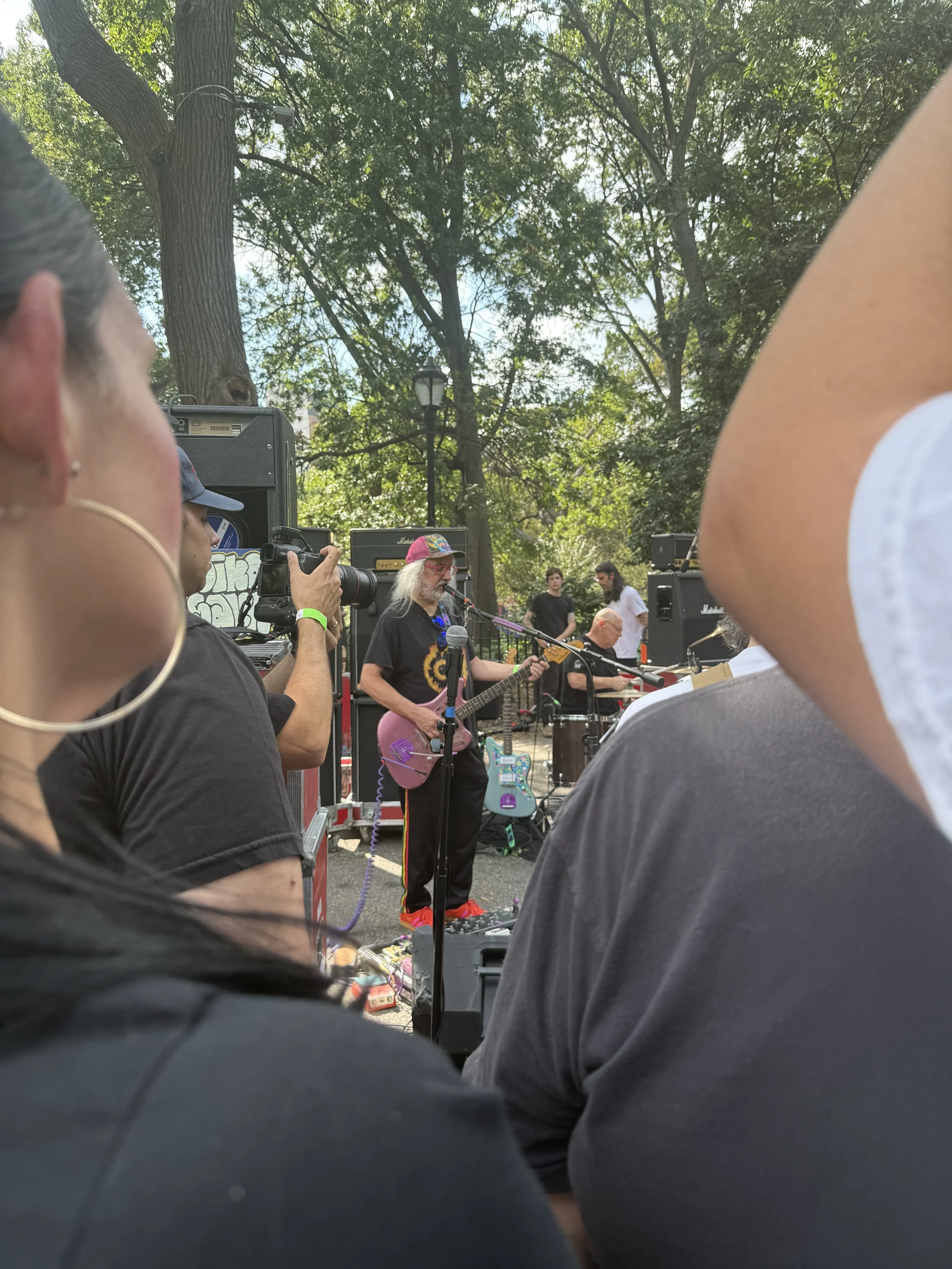
Dinosuar Jr.
Last Friday, hordes of New Yorkers crowded Tompkins Square Park for the free Dinosaur Jr. concert hosted by Show Brain. I nodded along, unwittingly entangled in the long-standing music romance of the park.
The funneling onlookers were a diverse mix of older rockers, young punks and the stragglers caught by the hook during their afternoon walk. With no barricade between the crowd, the musicians stand on equal footing to the bystanders; bad for the short schmuck 20 feet back, good for shoulder-on-shoulder energy designated for a gritty music scene. Though Dinosaur Jr. 's indie rock is not exactly a core ingredient to a mosh, the DIY event sits in the locale of a tenacious punk history.
The Lower East Side was the mother bird to the proto-punk scene and the eventual nest for the anti-establishment image of the 1970s. Less than a mile away from the renowned CBGB venue, Tompkins sits as a twin epicenter, both sharing Agnostic Front and punk queen Patti Smith. This music, ingrained in the roots of the LES and the East Village, came about from the political chokeholds of the pre-grunge era: housing policies, leftist ideologies and city neglect. When Manhattan was left to a neighborhood rule in the midst of its financial crisis, emerging anarchists, left behind by their government, and found a community through punk.
Tompkins Park, now floundering with Etsy artists, iced lattes and –some days– the famous J Mascis, was not always so glamorous. Let’s walk through a thirty second (or so) punk history of Tompkins.
In 1966 the bandshell was constructed in the park, becoming a beatnik beacon to the freaks of the counterculture. Hippies, poets, musicians and political activists all used the bandshell as a space for cultural activity. Vietnam protesters employed use of the concrete venue one day, just to be utilized by Charles Mingus and the Fugs the next. The grass yards became the walkway for the neighborhood, much to the dismay of the city. For decades, tension lingered between the police and the counterculture. On one hand, the park was a space for community. On the other, growing crime and homelessness was a fear for the department.
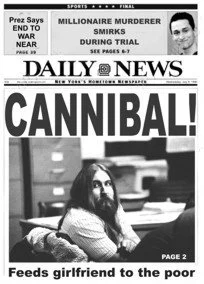
More than two decades into live bandshell performances becoming mainstay in the park, Cro-Mags’ frontman John Joseph’s upstairs neighbor killed his girlfriend and fed her to Tompkins’ homeless population. This added sparks to the smoking reputation of the park, already in the throes of controversy; being both a counterculture hub and a space of increasing urban decay.
Tompkins Park continued to host the emerging punk scene of the 1970s as well as becoming a space for performers at large. The Grateful Dead’s first New York City show was held in Tompkins in 1967. Poets like Allen Ginsberg made repeated appearances while first performances from icons like Television premiered at the DIY venue.
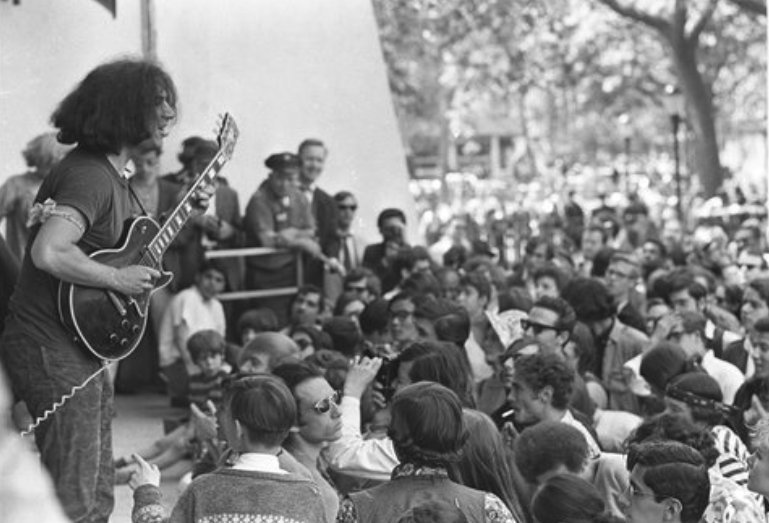
sc: Meyer Liebowitz, The NY Times
Police, in approach to the disorder, had a mission to stop outdoor punk shows and enforce curfews. Punks, all-the-while, had a mission to say “fuck the establishment.” So, the 1988 riot was their meeting in the middle. Documented by renowned photographer and the ‘Godfather of LES,’ Clayton Paterson, he described the area as a “war zone.” Over 100 complaints of police brutality were filed after the violent crash between the parties. However, (overly simplified) the punks won, with the 1 a.m. curfew rescinded.
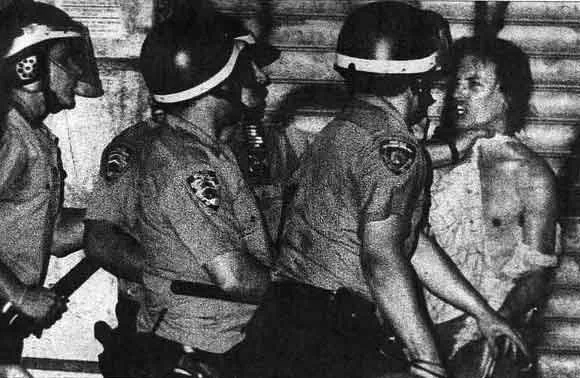
sc: Clayton Paterson via https://cvltnation.com/clayton-patterson-6-cops-indicted/
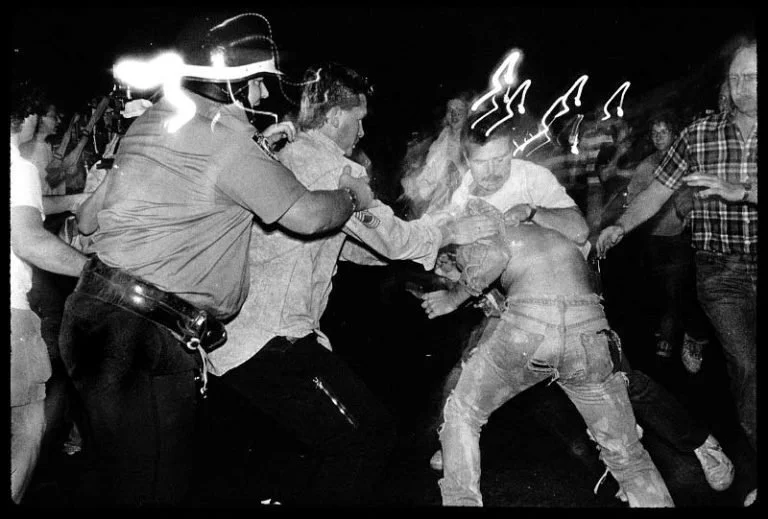
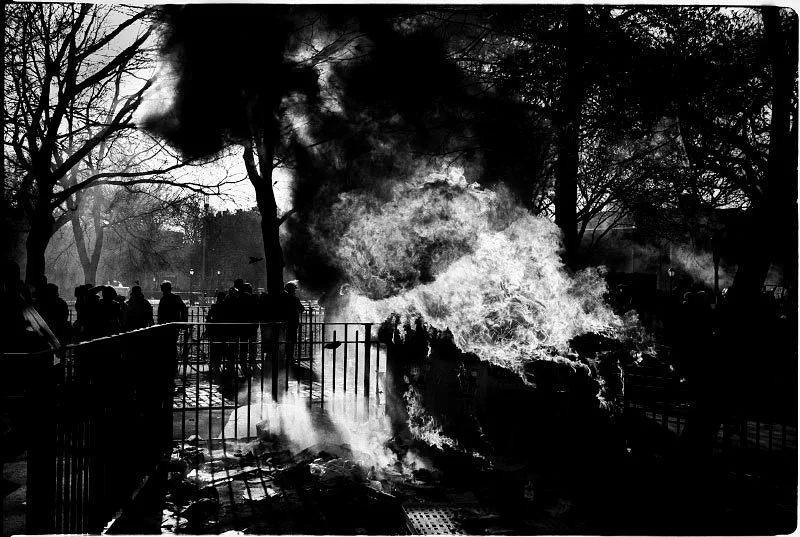
But the city still saw it as a space catering to crime.
So, again, a riot broke in 1991 when the city decided to tear down the bandshell to dispel anarchists. This time, the city won as the concrete venue was shuttered.
To the dismay of Angus Young, Queen and the other punk-opposing rockers, the genre did not conclude when Sid Vicious died or when Tompkins Square went through its renovation. Being an attitude first and foremost, the DIY spirit continued without the concrete stage to perform on. Tompkins re-opened in 1992 with stronger monitoring and strict curfews. Still, we were graced with events like Wigstock or the city-coordinated Sonic Youth concert that summer. Music is music.
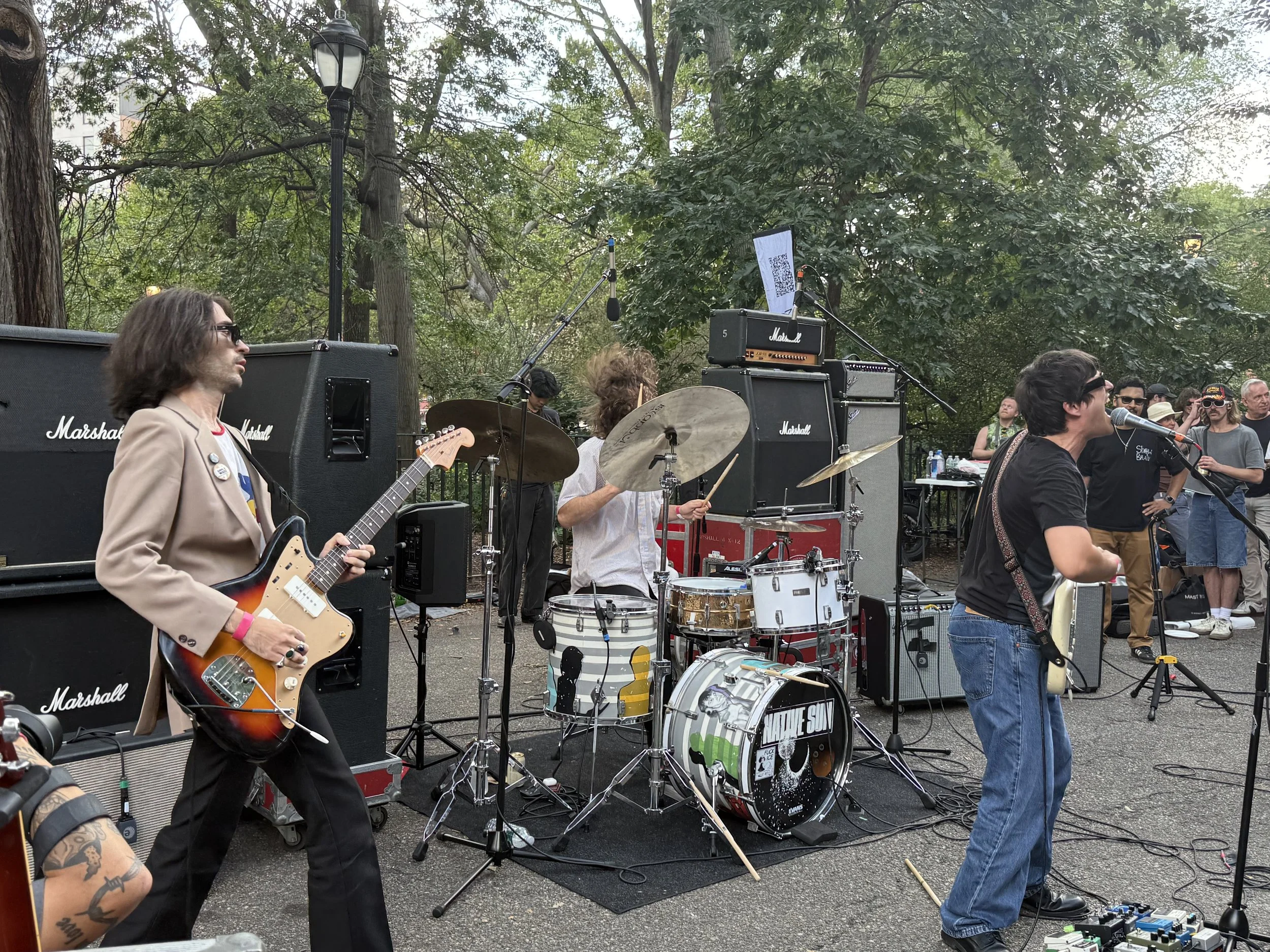
Native Sun
When venues charge for entry and the music scene becomes more exclusive to lower incomes, I want a punk around to disturb the for-profit. Show Brain sets up shop in Tompkins and other parks in NYC to offer the inalienable human right for live music, with Dinosaur Jr. being just one example. In just August, the non-profit hosted bands like Native Sun, Loose Buttons, the booyah! kids and Ekko Astral– just to name a few. While they accept donations to keep the music flowing, Show Brain operates off the generosity of volunteers and community members alike. Similar to the grassroots efforts to keep the EV vibrant in the 70s and 80s, Show Brain continues the DIY legacy.
In 2026, bands still keep the live music scene pumping through the LES. Though not exclusive to punk or the endless adjacent genres thereof, Tompkins Square Park is a home to the underground.